

#OTD20 | September 29, 1950
A Line Regained: The Day U.S.-led Troops Reach the 38th Parallel
September 29, 1950: United States-led troops reach the 38th parallel in Korea, marking a pivotal moment in the Korean War.
After liberating the South Korean capital city, United States-led troops march north. By the end of September they reach the 38th parallel, the dividing line between North and South Korea.
Initially established as a temporary division after World War II, the 38th parallel is a symbol of Cold War divisions and ideological struggle. Pushing the invading enemy back north of the line represents a significant tactical gain and a morale booster for anti-communist forces.
Reaching the 38th parallel has a complex mix of implications. On the one hand, it buoys hopes for a swift end to the war. On the other hand, passing the threshold holds the potential for a significant escalation in the conflict.
The event leaves an indelible imprint on the geopolitics of the Korean Peninsula and remains a focal point in discussions about the still-ongoing tensions between North and South Korea.
Viewing Options
The Korean War is the focus of "Red Star Rising," one video chapter in our standards-base tour de force, "Cold War."
Additional Resources
Access more information from Media Rich Learning and curated off-site sources.
#OTD20
Step back in time to experience the significant events that happened on this day in the 20th century.

November 2, 1948: Truman Defeats Dewey
#OTD20 — November 2, 1948: President Harry Truman defeats Thomas Dewey of New York in one of history’s most shocking political upsets.
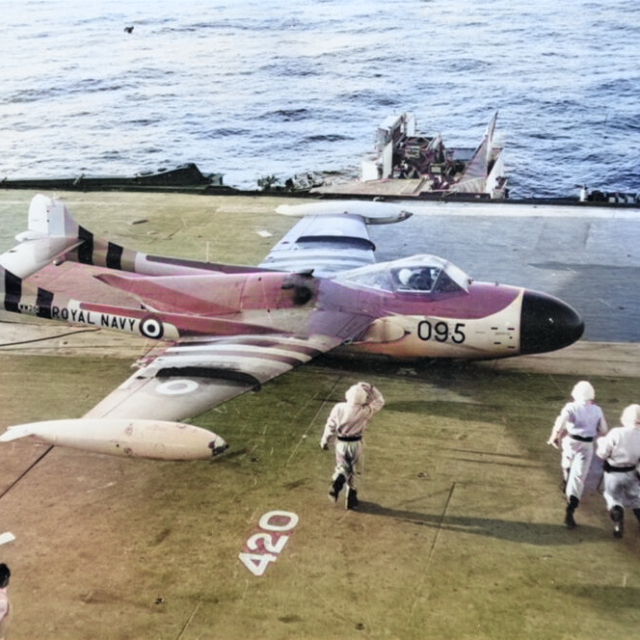
October 31, 1956: Suez Crisis Escalates as UK and France Launch Operation Musketeer
#OTD20 — October 31, 1956: The Suez Crisis escalates as the UK and France launch Operation Musketeer to recapture control of the Suez Canal.

October 30, 1941: Roosevelt Approves $1 Billion Lend-Lease Aid to Britain
#OTD20 — October 30, 1941: President Roosevelt makes approves $1 billion in Lend-Lease aid to Britain, demonstrating U.S. support for the Allies during WWII.
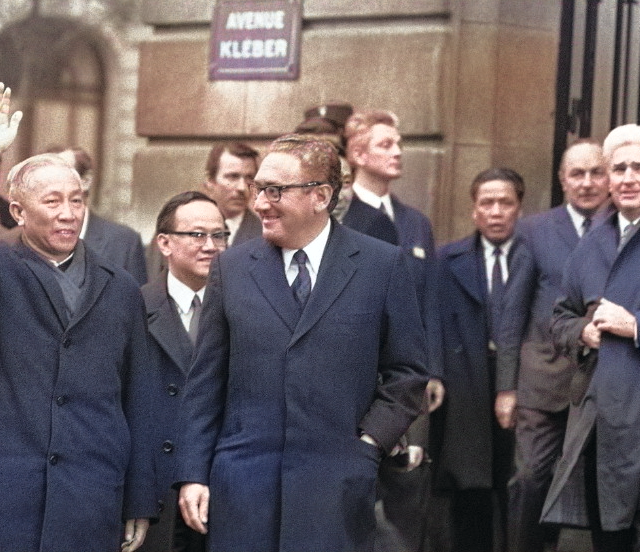
October 26, 1955: Ngo Dinh Diem Proclaims Republic of Vietnam
#OTD20 — October 26, 1955: Ngo Dinh Diem proclaims the establishment of the Republic of Vietnam, appointing himself as its inaugural president.

Bolshevik Revolution — October 25, 1917 (O.S.)
#OTD20 — October 25, 1917: Explore the 1917 October Bolshevik Revolution in Russia that ushered in Soviet rule and laid the groundwork for the Cold War.
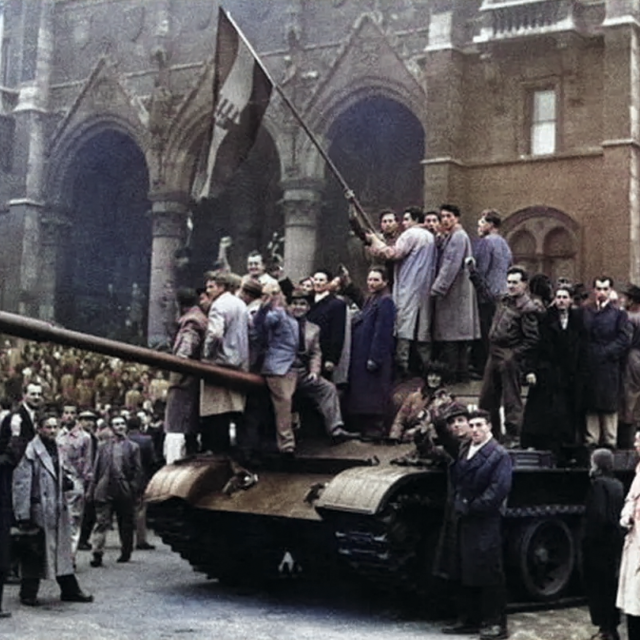
1956 Hungarian Uprising: The Battle for Freedom October 23 | #OTD20
#OTD20 — October 23, 1956: The Hungarian Uprising begins when mass demonstrations escalate to open revolt and Soviet occupation.
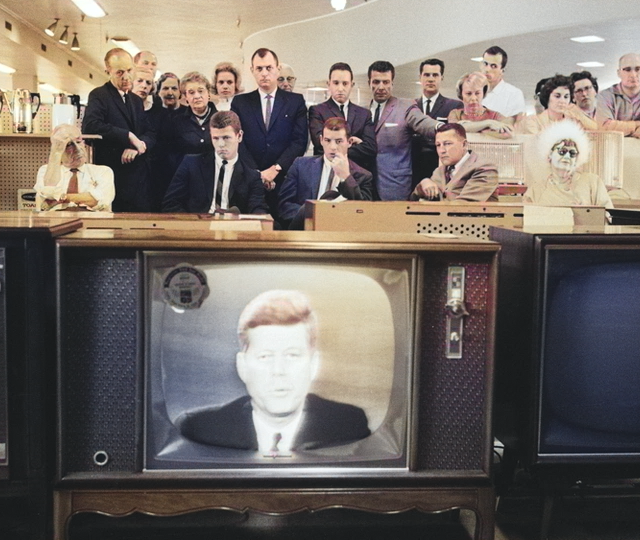
October 22, 1962: JFK Address Nation on Missiles in Cuba
#OTD20 — October 22, 1962: JFK addresses the nation on the Soviet missile buildup in Cuba, leading to the gravest moment in the Cold War.

The HUAC Hearings: The Red Scare Comes to Hollywood | #OTD20
#OTD20 — October 20, 1947: The House Un-American Activities Committee (HUAC) begins its controversial hearings into alleged Communist infiltration of Hollywood.
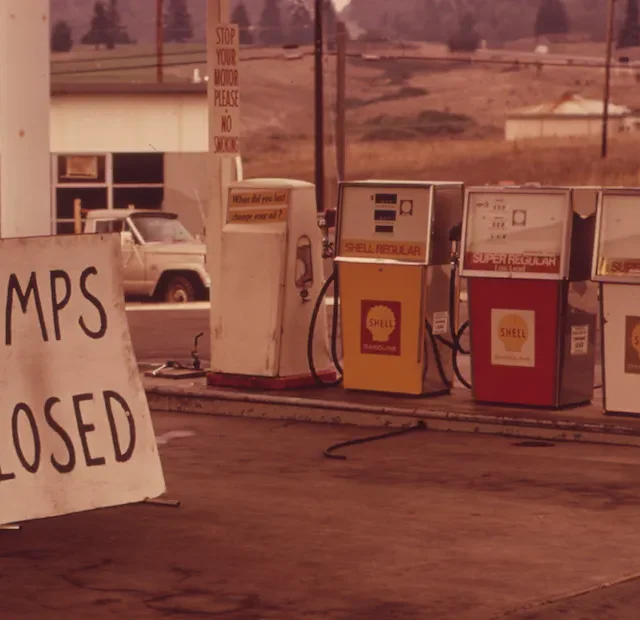
October 17, 1973: OPEC Oil Embargo – America’s Energy Wake-Up Call
The 1973 OPEC Oil Embargo triggers gasoline shortages and rationing in the U.S., prompting a reevaluation of the nation’s energy policies.
October 16, 1973: Kissinger and Tho Awarded Nobel Peace Prize
#OTD20 — October 14, 1946: Henry Kissinger and Le Duc Tho receive the Nobel Peace Prize for their diplomatic efforts in the Paris peace accord.

October 15, 1945: The Moratorium to End the War in Vietnam – A Day of Nationwide Protests
#OTD20 — October 15, 1969: Hundreds of thousands across the U.S. unite in a massive protest against the Vietnam War.

October 14, 1946: Truman Lifts Price Controls on Meat
#OTD20 — October 10, 1986: President Reagan and Soviet leader Gorbachev meet in Reykjavik to discuss arms control. Despite high hopes, they leave without no major agreements.
Remarkably social