

#OTD20 | October 22, 1962
The Cuban Missile Crisis: JFK's Historic Address to the Nation
October 22, 1962: President John F. Kennedy alerts the American public to the buildup of Soviet missiles in Cuba, ushering in the Cuban Missile Crisis.
In an unprecedented televised address, JFK informs the nation of the presence of offensive missile sites established by the Soviet Union in Cuba, just 90 miles off the U.S. coastline.
The revelation marks the beginning of a tense thirteen-day standoff between the U.S. and the Soviet Union, bringing the world to the brink of nuclear war.
"It shall be the policy of this nation to regard any nuclear missile launched from Cuba against any nation in the Western Hemisphere as an attack by the Soviet Union on the United States, requiring a full retaliatory response upon the Soviet Union." - President John F. Kennedy
Kennedy's address highlights the gravity of the situation, the threat posed by the missiles, and the U.S. commitment to ensuring the defense of the Western Hemisphere.
Today, the Cuban Missile Crisis remains a poignant reminder of the Cold War's dangers, the stakes of nuclear diplomacy, and the importance of leadership during critical moments in history.
Viewing Options
The Cuban Missile Crisis is chronicled in two programs from the series AMERICA IN THE 20th CENTURY: "Cold War," and "The Sixties."
Additional Resources
Access more information from Media Rich Learning and curated off-site sources.
#OTD20
Step back in time to experience the significant events that happened on this day in the 20th century.
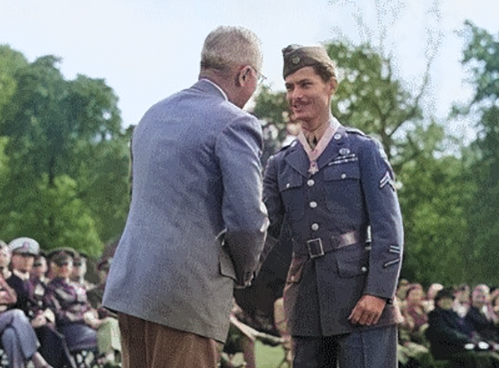
October 12, 1945: The Conscientious Objector Who Became a War Hero
#OTD20 — October 12, 1945: Private Desmond Doss, a conscientious objector, is awarded the Medal of Honor for his unparalleled bravery during World War II.

October 11, 1936: Mother Jones Memorial Dedicated
#OTD20 — October 10, 1986: President Reagan and Soviet leader Gorbachev meet in Reykjavik to discuss arms control. Despite high hopes, they leave without no major agreements.

October 10, 1986: Reagan and Gorbachev at the Reykjavik Summit
#OTD20 — October 10, 1986: President Reagan and Soviet leader Gorbachev meet in Reykjavik to discuss arms control. Despite high hopes, they leave without no major agreements.

October 7, 1963: President Kennedy Signs Nuclear Test Ban Treaty
#OTD20 — October 7, 1963: President Kennedy signs the Nuclear Test Ban Treaty, prohibiting nuclear tests in the atmosphere, underwater, or in space.
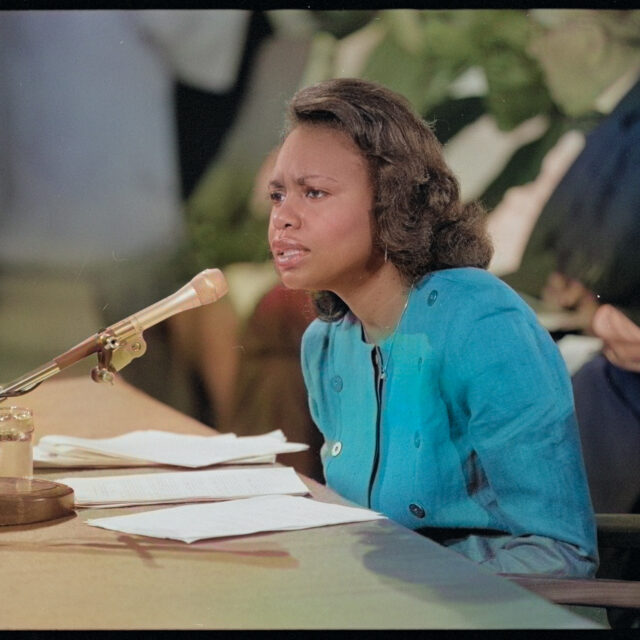
October 6, 1991: Anita Hill Allegations Emerge: A Pivotal Moment for the Supreme Court and the Nation
#OTD20 — October 6, 1991: Anita Hill’s allegations of sexual harassment against Clarence Thomas shake the nation.

October 5, 1914: First Aerial Combat Victory Ushers in New Age in Military Strategy
The Sputnik launch marks the beginning of the space age and the U.S.-Soviet space race. Dive into this #OTD20 event with Media Rich Learning.
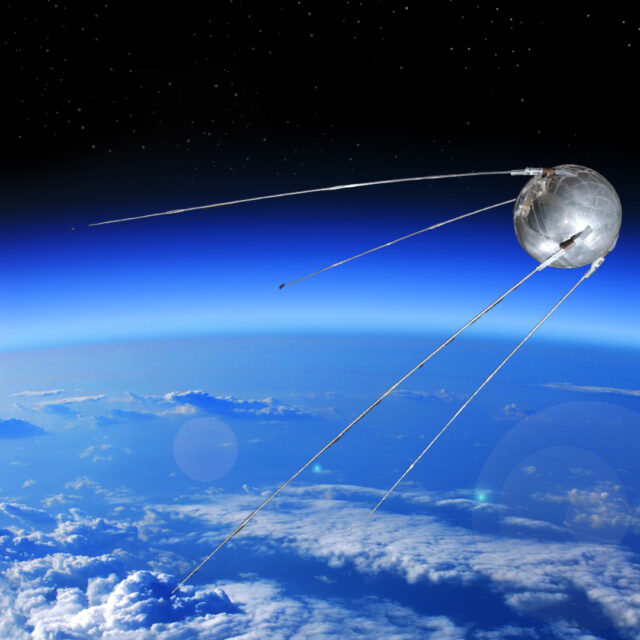
October 4, 1957: Sputnik Launch Ignites the Space Race
The Sputnik launch marks the beginning of the space age and the U.S.-Soviet space race. Dive into this #OTD20 event with Media Rich Learning.

October 2, 1944: Warsaw Uprising – Remembering Poland’s Fierce Resistance
#OTD20 — October 2, 1944: After 63 days of intense fighting, the Warsaw Uprising ends with the surrender of Polish insurgents.

September 29, 1950: Reaching the 38th Parallel in Korea
#OTD20 — September 29, 1950: Exploring the day U.S.-led troops reached the 38th parallel—the dividing line between North and South Korea—during the Korean War.

September 28, 1928: Alexander Fleming and the Discovery of Penicillin
#OTD20 — September 28, 1928: Learn more about Alexander Fleming’s discovery of penicillin, the world’s first antibiotic and a revolutionary medical breakthrough.

September 27, 1964: Warren Report — Solving or Complicating JFK’s Assassination?
#OTD20 — September 27, 1964: British Prime Minister Neville Chamberlain believes war with German has been averted, declaring the Munich Agreement affords “peace in our time.”
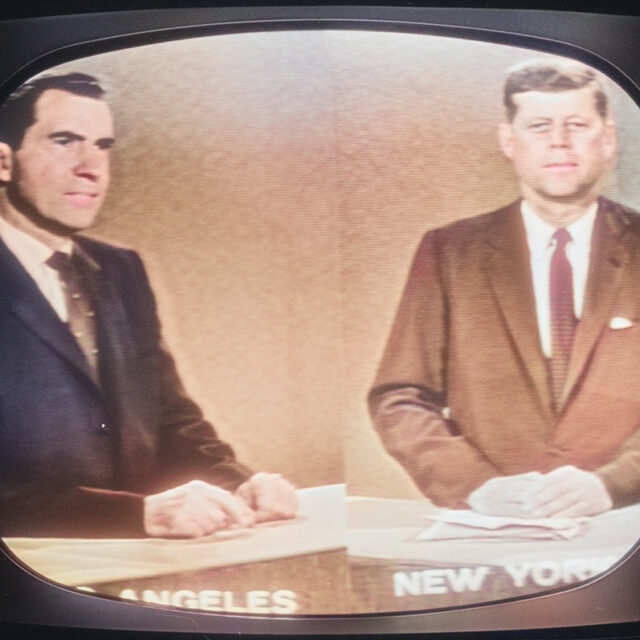
September 26, 1960: The First Televised Presidential Debate
#OTD20 — September 26, 1960: the first-ever televised presidential debate took place between Kennedy and Nixon, reshaping American politics and the role of television in it.
Remarkably social