
#OTD20
On This Day in the 20th Century
#OTD20 | September 24, 1957
Ike Orders Troops to Support Integration of Little Rock Central High School
September 24, 1957: President Dwight D. Eisenhower orders federal troops to Little Rock, Arkansas, to support the integration of Central High School.
The action comes in response to the serial refusal by Arkansas Governor Orval Faubus to allow nine black students to attend the school. More immediately, Eisenhower's directive is precipitated by events of a day earlier when an angry mob agitated in front of Central High School, while nine African American students were escorted inside by Little Rock police and state troopers.
On President Eisenhower's orders, the Secretary of Defense athorizes one thousand members of the 327th Airborne Battle Group of the 101st Airborne Division to be flown from Fort Campbell, Kentucky, to Little Rock. They arrive around Central High School by 7:00 p.m.
That same evening, at 9:00 p.m. EDT, President Eisenhower addresses the nation from the White House indicating his decision and stating that “mob rule cannot be allowed to override the decisions of our courts.”
Viewing Options
The crisis at Central High School in Little Rock is chronicled in two standards-based video programs: "Post-War Years" and "Civil Rights Movement," both from the series "America in the 20th Century."
Additional Resources
Access more information from Media Rich Learning and curated off-site sources.
#OTD20
Step back in time to experience the significant events that happened on this day in the 20th century.

September 29, 1950: Reaching the 38th Parallel in Korea
#OTD20 — September 29, 1950: Exploring the day U.S.-led troops reached the 38th parallel—the dividing line between North and South Korea—during the Korean War.

October 2, 1944: Warsaw Uprising – Remembering Poland’s Fierce Resistance
#OTD20 — October 2, 1944: After 63 days of intense fighting, the Warsaw Uprising ends with the surrender of Polish insurgents.
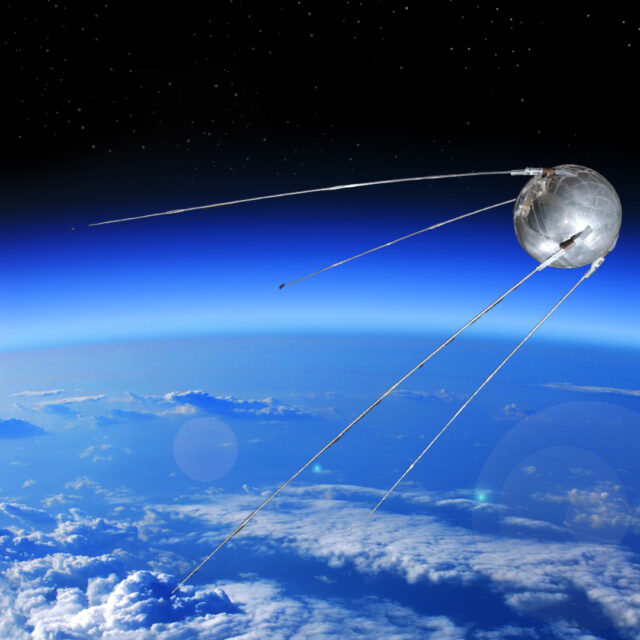
October 4, 1957: Sputnik Launch Ignites the Space Race
The Sputnik launch marks the beginning of the space age and the U.S.-Soviet space race. Dive into this #OTD20 event with Media Rich Learning.

October 5, 1914: First Aerial Combat Victory Ushers in New Age in Military Strategy
The Sputnik launch marks the beginning of the space age and the U.S.-Soviet space race. Dive into this #OTD20 event with Media Rich Learning.
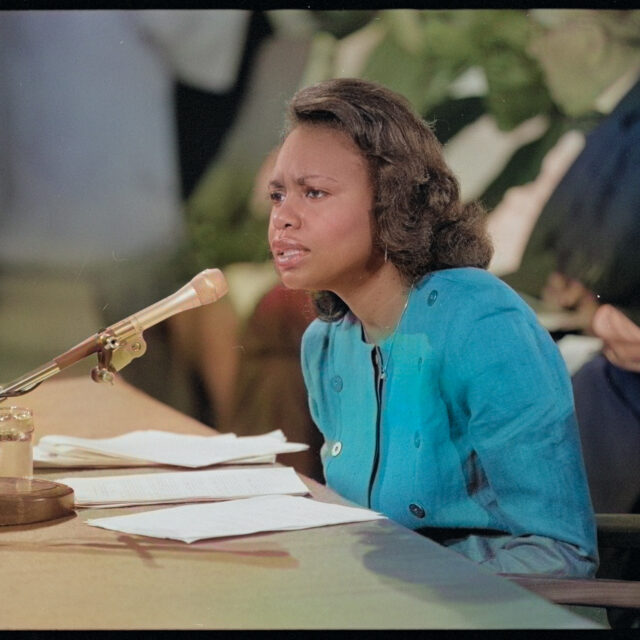
October 6, 1991: Anita Hill Allegations Emerge: A Pivotal Moment for the Supreme Court and the Nation
#OTD20 — October 6, 1991: Anita Hill’s allegations of sexual harassment against Clarence Thomas shake the nation.

October 7, 1963: President Kennedy Signs Nuclear Test Ban Treaty
#OTD20 — October 7, 1963: President Kennedy signs the Nuclear Test Ban Treaty, prohibiting nuclear tests in the atmosphere, underwater, or in space.

October 10, 1986: Reagan and Gorbachev at the Reykjavik Summit
#OTD20 — October 10, 1986: President Reagan and Soviet leader Gorbachev meet in Reykjavik to discuss arms control. Despite high hopes, they leave without no major agreements.

October 11, 1936: Mother Jones Memorial Dedicated
#OTD20 — October 10, 1986: President Reagan and Soviet leader Gorbachev meet in Reykjavik to discuss arms control. Despite high hopes, they leave without no major agreements.
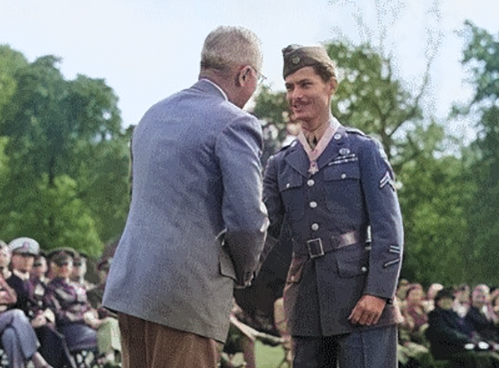
October 12, 1945: The Conscientious Objector Who Became a War Hero
#OTD20 — October 12, 1945: Private Desmond Doss, a conscientious objector, is awarded the Medal of Honor for his unparalleled bravery during World War II.

October 14, 1946: Truman Lifts Price Controls on Meat
#OTD20 — October 10, 1986: President Reagan and Soviet leader Gorbachev meet in Reykjavik to discuss arms control. Despite high hopes, they leave without no major agreements.

October 15, 1945: The Moratorium to End the War in Vietnam – A Day of Nationwide Protests
#OTD20 — October 15, 1969: Hundreds of thousands across the U.S. unite in a massive protest against the Vietnam War.
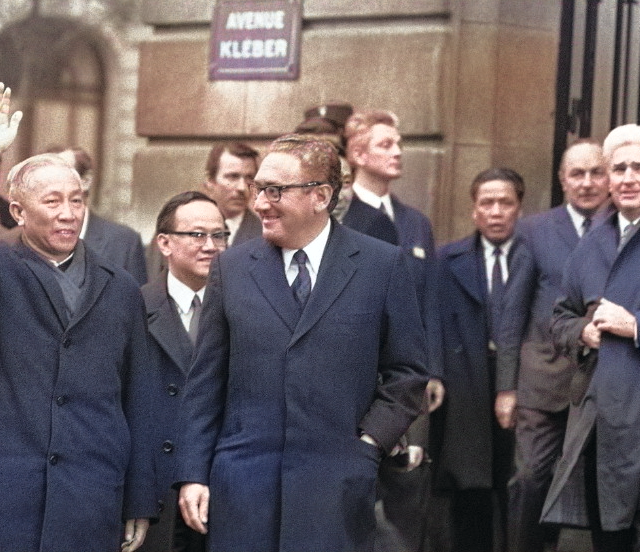
October 16, 1973: Kissinger and Tho Awarded Nobel Peace Prize
#OTD20 — October 14, 1946: Henry Kissinger and Le Duc Tho receive the Nobel Peace Prize for their diplomatic efforts in the Paris peace accord.
Remarkably social