

#OTD20 | September 30, 1938
'Peace In Our Time': Neville Chamberlain and the Munich Agreement
September 30, 1938: It is a day of both relief and historical irony as British Prime Minister Neville Chamberlain returns from Munich, waving a piece of paper and declaring it to represent "peace in our time."
In an effort to avoid what seemed like an inevitable descent into another world war, Chamberlain had just signed the Munich Agreement, a pact that allowed Adolf Hitler to annex the Sudetenland in Czechoslovakia in exchange for a promise of no further territorial aggression.
The agreement is highly controversial, not least because it is made without Czechoslovakia's involvement or consent. The term "appeasement" becomes synonymous with this diplomatic maneuver, and will be widely critiqued as a failed strategy in the years that follow.
Despite Chamberlain's optimistic pronouncement, "peace in our time" proves to be tragically short-lived. Less than a year later, World War II erupts when Hitler's Germany invades Poland.
The Munich Agreement remains a cautionary tale in international relations, demonstrating the potential pitfalls of appeasement and underscoring the complexities of diplomacy in times of escalating tension.
The Guardian
Chamberlain and the Munich Agreement are chronicled in part one of our World Word II series, "World War II - The Road to War."
Additional Resources
Access more information from Media Rich Learning and curated off-site sources.
#OTD20
Step back in time to experience the significant events that happened on this day in the 20th century.
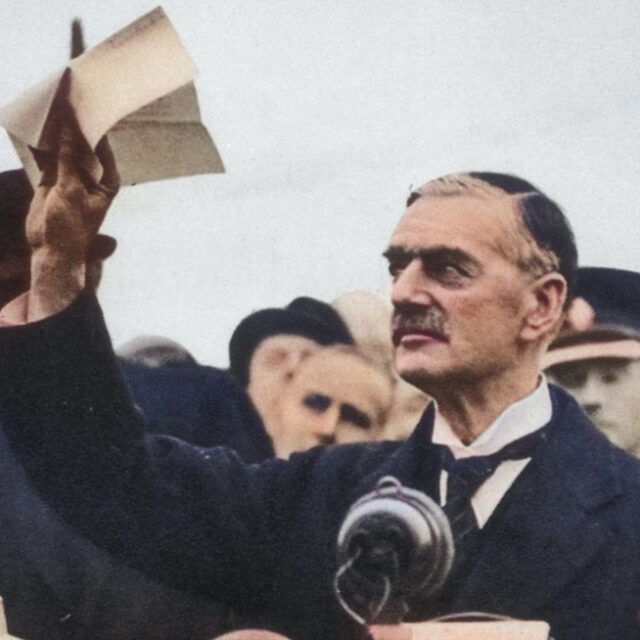
September 30, 1938: Neville Chamberlain and the Munich Agreement – ‘Peace In Our Time’
#OTD20 — September 30, 1938: British Prime Minister Neville Chamberlain believes war with German has been averted, declaring the Munich Agreement affords “peace in our time.”
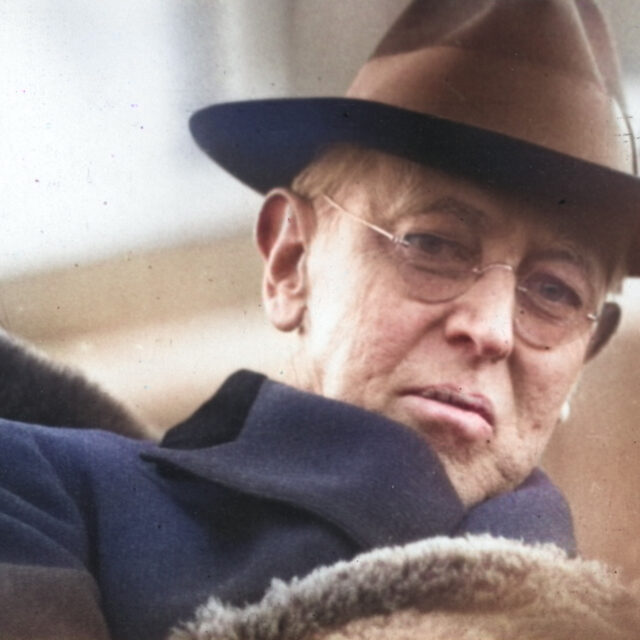
September 25, 1919: Woodrow Wilson Incapacitated
#OTD20 | September 25, 1919 Woodrow Wilson’s Debilitating Stroke: A Secret Crisis in American Governance September 25, 1919: President Woodrow Wilson collapses while in Colorado, rallying public support for the League of Nations. The president is rushed back to Washington.
Continue Reading “September 25, 1919: Woodrow Wilson Incapacitated”
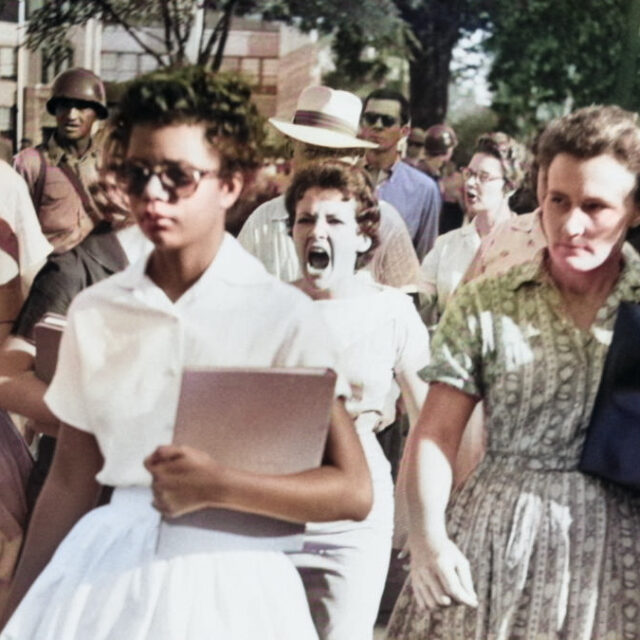
September 24, 1957: Ike Orders Federal Troops into Little Rock
#OTD20 —On September 23, 1957: President Eisenhower orders federal troops into Little Rock, Arkansas to ensure the integration of Central High School.

September 23, 1952: Nixon’s Checkers Speech
#OTD20 — September 23, 1952: Explore the enduring legacy of Richard Nixon’s 1952 Checkers speech, a moment that changed American politics forever.
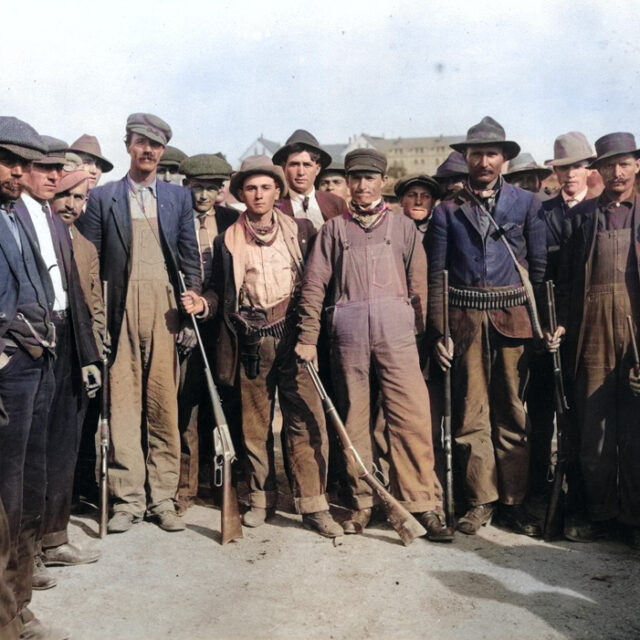
September 23, 1913: Colorado Coalfield War begins
#OTD20 — September 23, 1952: A strike by miners in the Colorado coalfields leads to a violent, year-long conflict known as the Colorado Coalfield War. Explore its origins, key events, and lasting impact.

September 22, 1961: The Peace Corps is Created
#OTD20 — September 22, 1961: President Kennedy’s vision comes to life with the establishment of the Peace Corps, igniting an era of global volunteerism and outreach.

September 21, 1949: Mao Zedong Declares People’s Republic of China
#OTD20 — September 21, 1949: Mao Zedong makes the historic proclamation of the People’s Republic of China, transforming the balance of geopolitical power in the Cold War.

September 20, 1962: James Meredith Blocked at Ole Miss
#OTD20 — September20, 1962: James Meredith attempts to register at the University of Mississippi but is obstructed by Governor Ross Barnett. Barnett’s defiant act directly challenges a U.S. Supreme Court ruling and sets the stage for a federal intervention.

September 18, 1947: The CIA is Born
#OTD20 — September 18, 1947: The Central Intelligence Agency comes into existence, authorized by National Security Act of 1947.

September 17, 1939: Soviet Union Invades Poland
#OTD20 — September 17, 1939: Forces from the Russian army invade Poland, coming on the heels of the German invasion just two weeks earlier. The offensive effectively splits Poland in two.

September 16, 1940: U.S. Introduces Military Draft
#OTD20 — September 16, 1940: A military draft is introduced, marking a critical step in America’s preparation for World War II.

September 15, 1963: Birmingham Church Bombing
#OTD20 — September 15, 1963: a bomb explodes at the 16th Street Baptist Church in Birmingham, Alabama killing four young girls: Addie Mae Collins, Cynthia Wesley, Carole Robertson, and Denise McNair.
Remarkably social