

#OTD20 | October 17, 1973
The 1973 Oil Crisis: America's Fuel Shock
October 17, 1973: The OPEC Oil Embargo shakes the foundation of America's energy consumption and changes the course of its economic and foreign policies.
In a strategic move during the Yom Kippur War, the Organization of Arab Petroleum Exporting Countries (OPEC) halts oil exports to nations supporting Israel. This decision sends shockwaves around the world, particularly in the United States.
"The embargo led to widespread panic, with long queues at gas stations, severe gasoline shortages, and rationing. The 'oil shock' became an iconic representation of the 1970s."
Beyond the immediate fuel crisis, this event spurs the U.S. into rethinking its energy policies, fostering innovation, and pursuing alternative energy sources. It also reshapes the geopolitical landscape, underscoring the intricate relationship between politics, warfare, and global energy markets.
Additional Resources
Access more information from Media Rich Learning and curated off-site sources.
#OTD20
Step back in time to experience the significant events that happened on this day in the 20th century.

November 2, 1948: Truman Defeats Dewey
#OTD20 — November 2, 1948: President Harry Truman defeats Thomas Dewey of New York in one of history’s most shocking political upsets.
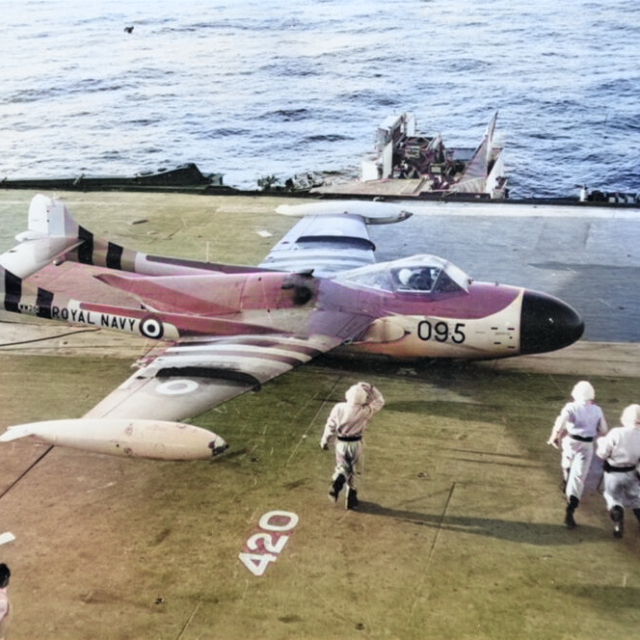
October 31, 1956: Suez Crisis Escalates as UK and France Launch Operation Musketeer
#OTD20 — October 31, 1956: The Suez Crisis escalates as the UK and France launch Operation Musketeer to recapture control of the Suez Canal.

October 30, 1941: Roosevelt Approves $1 Billion Lend-Lease Aid to Britain
#OTD20 — October 30, 1941: President Roosevelt makes approves $1 billion in Lend-Lease aid to Britain, demonstrating U.S. support for the Allies during WWII.
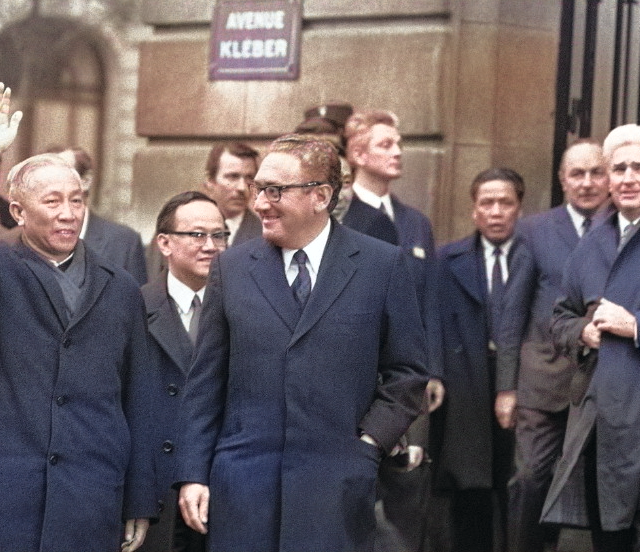
October 26, 1955: Ngo Dinh Diem Proclaims Republic of Vietnam
#OTD20 — October 26, 1955: Ngo Dinh Diem proclaims the establishment of the Republic of Vietnam, appointing himself as its inaugural president.

Bolshevik Revolution — October 25, 1917 (O.S.)
#OTD20 — October 25, 1917: Explore the 1917 October Bolshevik Revolution in Russia that ushered in Soviet rule and laid the groundwork for the Cold War.
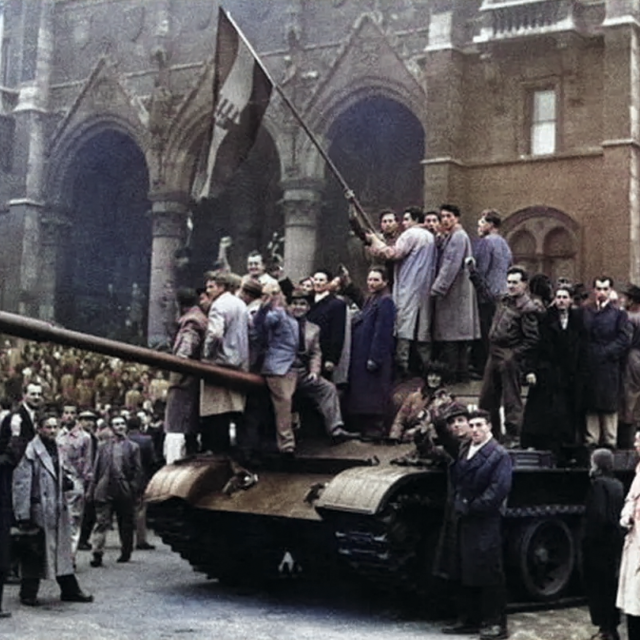
1956 Hungarian Uprising: The Battle for Freedom October 23 | #OTD20
#OTD20 — October 23, 1956: The Hungarian Uprising begins when mass demonstrations escalate to open revolt and Soviet occupation.
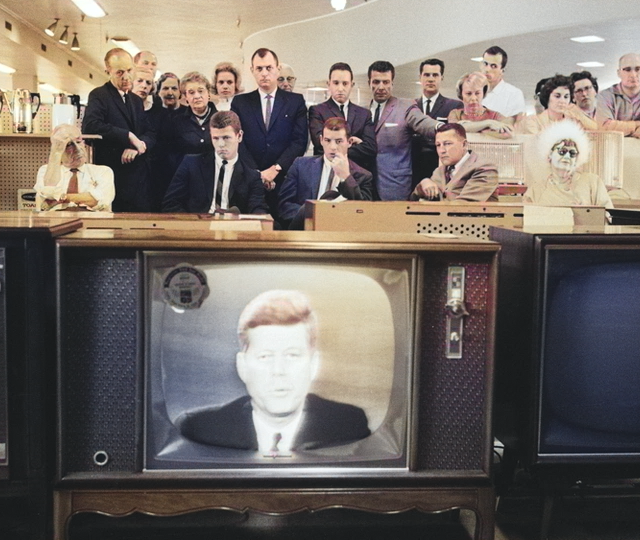
October 22, 1962: JFK Address Nation on Missiles in Cuba
#OTD20 — October 22, 1962: JFK addresses the nation on the Soviet missile buildup in Cuba, leading to the gravest moment in the Cold War.

The HUAC Hearings: The Red Scare Comes to Hollywood | #OTD20
#OTD20 — October 20, 1947: The House Un-American Activities Committee (HUAC) begins its controversial hearings into alleged Communist infiltration of Hollywood.
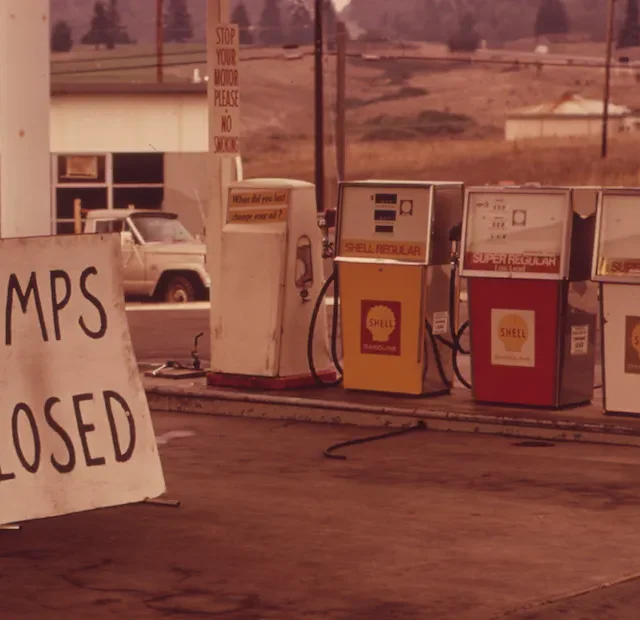
October 17, 1973: OPEC Oil Embargo – America’s Energy Wake-Up Call
The 1973 OPEC Oil Embargo triggers gasoline shortages and rationing in the U.S., prompting a reevaluation of the nation’s energy policies.
October 16, 1973: Kissinger and Tho Awarded Nobel Peace Prize
#OTD20 — October 14, 1946: Henry Kissinger and Le Duc Tho receive the Nobel Peace Prize for their diplomatic efforts in the Paris peace accord.

October 15, 1945: The Moratorium to End the War in Vietnam – A Day of Nationwide Protests
#OTD20 — October 15, 1969: Hundreds of thousands across the U.S. unite in a massive protest against the Vietnam War.

October 14, 1946: Truman Lifts Price Controls on Meat
#OTD20 — October 10, 1986: President Reagan and Soviet leader Gorbachev meet in Reykjavik to discuss arms control. Despite high hopes, they leave without no major agreements.
Remarkably social