

#OTD20 | September 29, 1950
A Line Regained: The Day U.S.-led Troops Reach the 38th Parallel
September 29, 1950: United States-led troops reach the 38th parallel in Korea, marking a pivotal moment in the Korean War.
After liberating the South Korean capital city, United States-led troops march north. By the end of September they reach the 38th parallel, the dividing line between North and South Korea.
Initially established as a temporary division after World War II, the 38th parallel is a symbol of Cold War divisions and ideological struggle. Pushing the invading enemy back north of the line represents a significant tactical gain and a morale booster for anti-communist forces.
Reaching the 38th parallel has a complex mix of implications. On the one hand, it buoys hopes for a swift end to the war. On the other hand, passing the threshold holds the potential for a significant escalation in the conflict.
The event leaves an indelible imprint on the geopolitics of the Korean Peninsula and remains a focal point in discussions about the still-ongoing tensions between North and South Korea.
Viewing Options
The Korean War is the focus of "Red Star Rising," one video chapter in our standards-base tour de force, "Cold War."
Additional Resources
Access more information from Media Rich Learning and curated off-site sources.
#OTD20
Step back in time to experience the significant events that happened on this day in the 20th century.
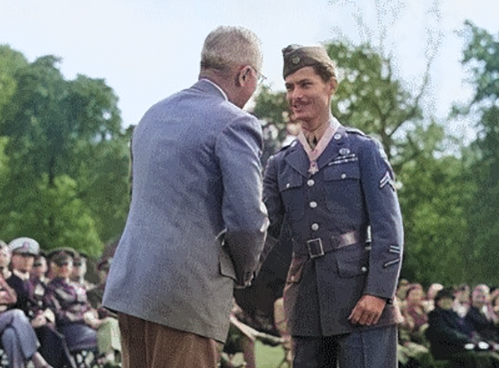
October 12, 1945: The Conscientious Objector Who Became a War Hero
#OTD20 — October 12, 1945: Private Desmond Doss, a conscientious objector, is awarded the Medal of Honor for his unparalleled bravery during World War II.

October 11, 1936: Mother Jones Memorial Dedicated
#OTD20 — October 10, 1986: President Reagan and Soviet leader Gorbachev meet in Reykjavik to discuss arms control. Despite high hopes, they leave without no major agreements.

October 10, 1986: Reagan and Gorbachev at the Reykjavik Summit
#OTD20 — October 10, 1986: President Reagan and Soviet leader Gorbachev meet in Reykjavik to discuss arms control. Despite high hopes, they leave without no major agreements.

October 7, 1963: President Kennedy Signs Nuclear Test Ban Treaty
#OTD20 — October 7, 1963: President Kennedy signs the Nuclear Test Ban Treaty, prohibiting nuclear tests in the atmosphere, underwater, or in space.
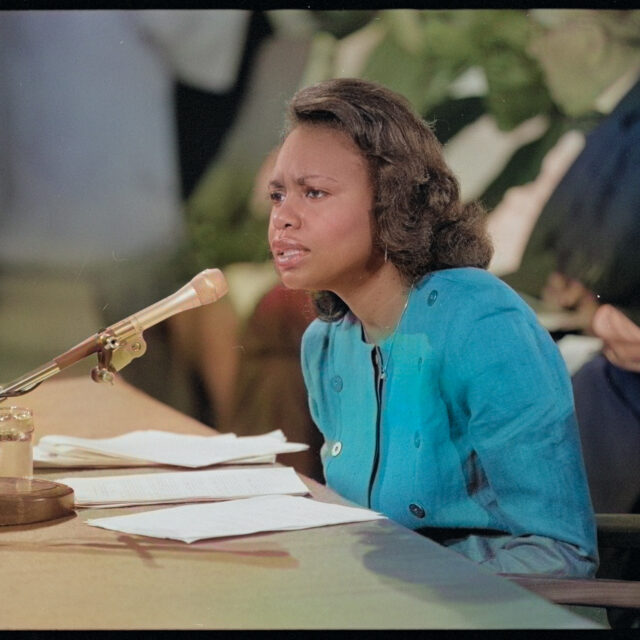
October 6, 1991: Anita Hill Allegations Emerge: A Pivotal Moment for the Supreme Court and the Nation
#OTD20 — October 6, 1991: Anita Hill’s allegations of sexual harassment against Clarence Thomas shake the nation.

October 5, 1914: First Aerial Combat Victory Ushers in New Age in Military Strategy
The Sputnik launch marks the beginning of the space age and the U.S.-Soviet space race. Dive into this #OTD20 event with Media Rich Learning.
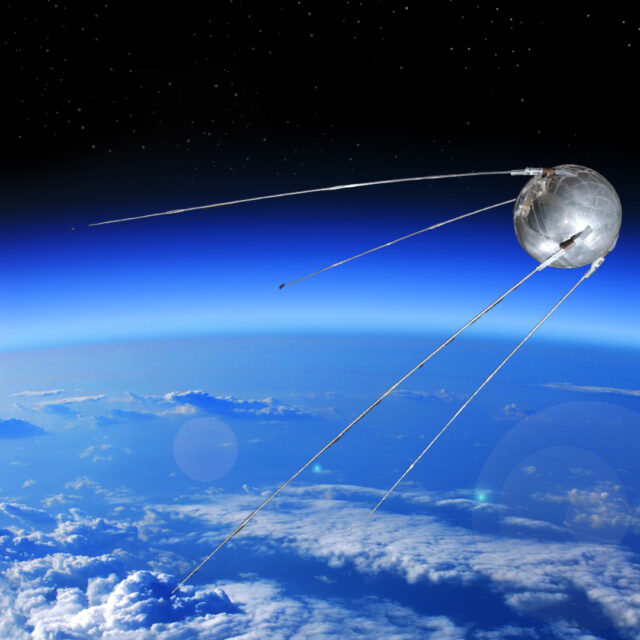
October 4, 1957: Sputnik Launch Ignites the Space Race
The Sputnik launch marks the beginning of the space age and the U.S.-Soviet space race. Dive into this #OTD20 event with Media Rich Learning.

October 2, 1944: Warsaw Uprising – Remembering Poland’s Fierce Resistance
#OTD20 — October 2, 1944: After 63 days of intense fighting, the Warsaw Uprising ends with the surrender of Polish insurgents.

September 29, 1950: Reaching the 38th Parallel in Korea
#OTD20 — September 29, 1950: Exploring the day U.S.-led troops reached the 38th parallel—the dividing line between North and South Korea—during the Korean War.

September 28, 1928: Alexander Fleming and the Discovery of Penicillin
#OTD20 — September 28, 1928: Learn more about Alexander Fleming’s discovery of penicillin, the world’s first antibiotic and a revolutionary medical breakthrough.

September 27, 1964: Warren Report — Solving or Complicating JFK’s Assassination?
#OTD20 — September 27, 1964: British Prime Minister Neville Chamberlain believes war with German has been averted, declaring the Munich Agreement affords “peace in our time.”
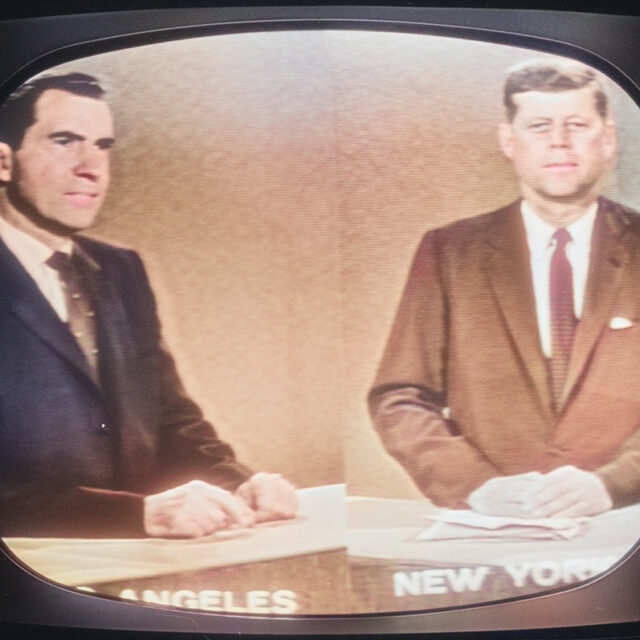
September 26, 1960: The First Televised Presidential Debate
#OTD20 — September 26, 1960: the first-ever televised presidential debate took place between Kennedy and Nixon, reshaping American politics and the role of television in it.
Remarkably social