

#OTD20 | September 29, 1950
A Line Regained: The Day U.S.-led Troops Reach the 38th Parallel
September 29, 1950: United States-led troops reach the 38th parallel in Korea, marking a pivotal moment in the Korean War.
After liberating the South Korean capital city, United States-led troops march north. By the end of September they reach the 38th parallel, the dividing line between North and South Korea.
Initially established as a temporary division after World War II, the 38th parallel is a symbol of Cold War divisions and ideological struggle. Pushing the invading enemy back north of the line represents a significant tactical gain and a morale booster for anti-communist forces.
Reaching the 38th parallel has a complex mix of implications. On the one hand, it buoys hopes for a swift end to the war. On the other hand, passing the threshold holds the potential for a significant escalation in the conflict.
The event leaves an indelible imprint on the geopolitics of the Korean Peninsula and remains a focal point in discussions about the still-ongoing tensions between North and South Korea.
Viewing Options
The Korean War is the focus of "Red Star Rising," one video chapter in our standards-base tour de force, "Cold War."
Additional Resources
Access more information from Media Rich Learning and curated off-site sources.
#OTD20
Step back in time to experience the significant events that happened on this day in the 20th century.
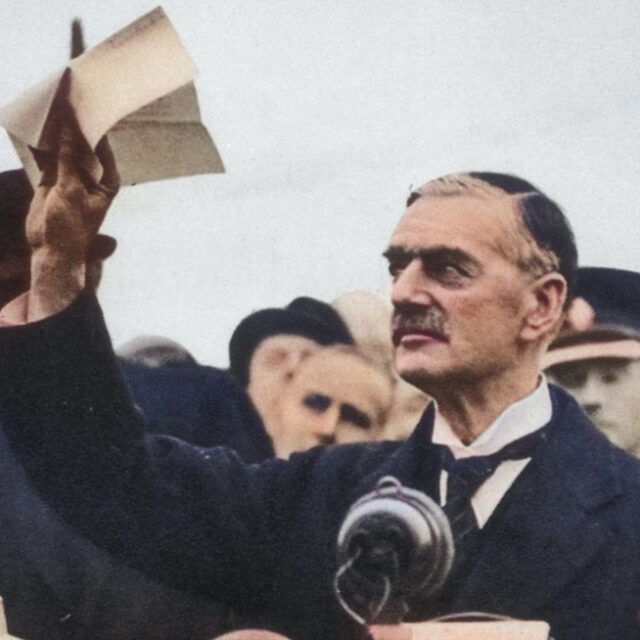
September 30, 1938: Neville Chamberlain and the Munich Agreement – ‘Peace In Our Time’
#OTD20 — September 30, 1938: British Prime Minister Neville Chamberlain believes war with German has been averted, declaring the Munich Agreement affords “peace in our time.”
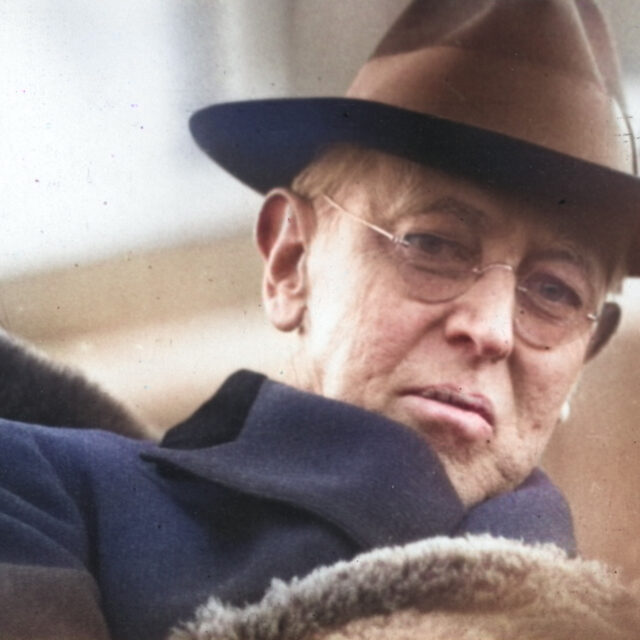
September 25, 1919: Woodrow Wilson Incapacitated
#OTD20 | September 25, 1919 Woodrow Wilson’s Debilitating Stroke: A Secret Crisis in American Governance September 25, 1919: President Woodrow Wilson collapses while in Colorado, rallying public support for the League of Nations. The president is rushed back to Washington.
Continue Reading “September 25, 1919: Woodrow Wilson Incapacitated”
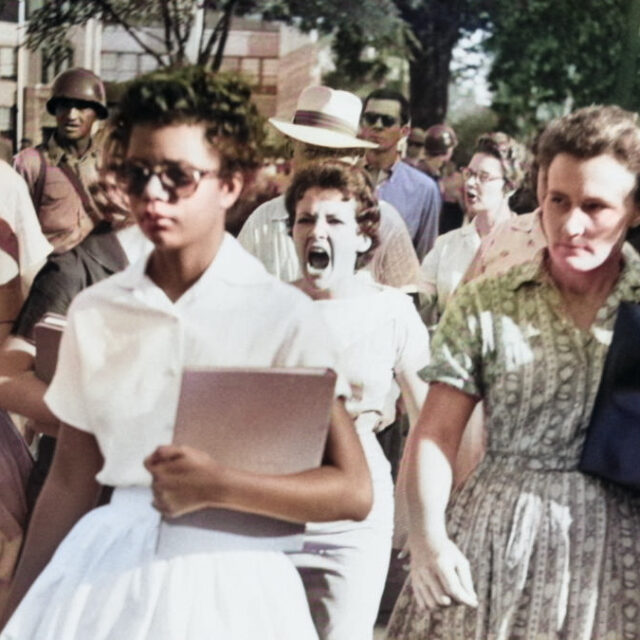
September 24, 1957: Ike Orders Federal Troops into Little Rock
#OTD20 —On September 23, 1957: President Eisenhower orders federal troops into Little Rock, Arkansas to ensure the integration of Central High School.

September 23, 1952: Nixon’s Checkers Speech
#OTD20 — September 23, 1952: Explore the enduring legacy of Richard Nixon’s 1952 Checkers speech, a moment that changed American politics forever.
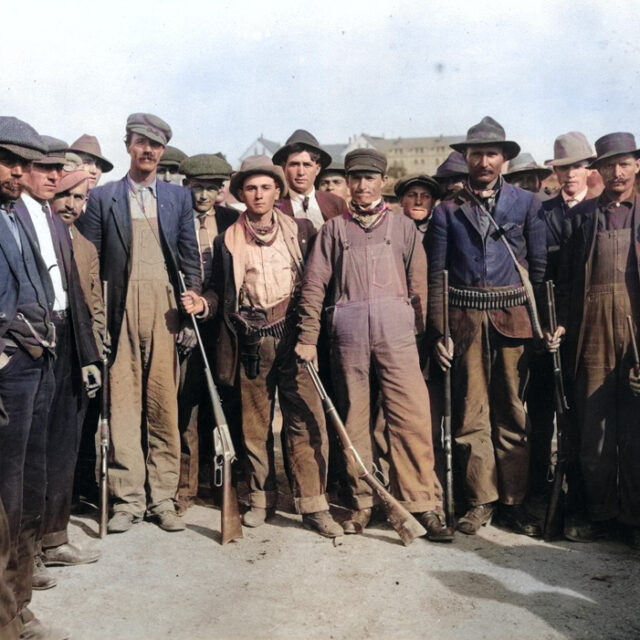
September 23, 1913: Colorado Coalfield War begins
#OTD20 — September 23, 1952: A strike by miners in the Colorado coalfields leads to a violent, year-long conflict known as the Colorado Coalfield War. Explore its origins, key events, and lasting impact.

September 22, 1961: The Peace Corps is Created
#OTD20 — September 22, 1961: President Kennedy’s vision comes to life with the establishment of the Peace Corps, igniting an era of global volunteerism and outreach.

September 21, 1949: Mao Zedong Declares People’s Republic of China
#OTD20 — September 21, 1949: Mao Zedong makes the historic proclamation of the People’s Republic of China, transforming the balance of geopolitical power in the Cold War.

September 20, 1962: James Meredith Blocked at Ole Miss
#OTD20 — September20, 1962: James Meredith attempts to register at the University of Mississippi but is obstructed by Governor Ross Barnett. Barnett’s defiant act directly challenges a U.S. Supreme Court ruling and sets the stage for a federal intervention.

September 18, 1947: The CIA is Born
#OTD20 — September 18, 1947: The Central Intelligence Agency comes into existence, authorized by National Security Act of 1947.

September 17, 1939: Soviet Union Invades Poland
#OTD20 — September 17, 1939: Forces from the Russian army invade Poland, coming on the heels of the German invasion just two weeks earlier. The offensive effectively splits Poland in two.

September 16, 1940: U.S. Introduces Military Draft
#OTD20 — September 16, 1940: A military draft is introduced, marking a critical step in America’s preparation for World War II.

September 15, 1963: Birmingham Church Bombing
#OTD20 — September 15, 1963: a bomb explodes at the 16th Street Baptist Church in Birmingham, Alabama killing four young girls: Addie Mae Collins, Cynthia Wesley, Carole Robertson, and Denise McNair.
Remarkably social