Category: Blog

Thomas Campbell

Thomas Campbell, Proponent of Christian Unity

Thomas Campbell (1763-1854) WHO HE WAS: Thomas Campbell was a distinguished Presbyterian minister who became a significant figure in the Second Great Awakening in the United States. Originally from Ireland, Campbell’s advocacy for Christian unity and his challenge to rigid denominationalism marked him as a leading voice in the religious movement that swept across the
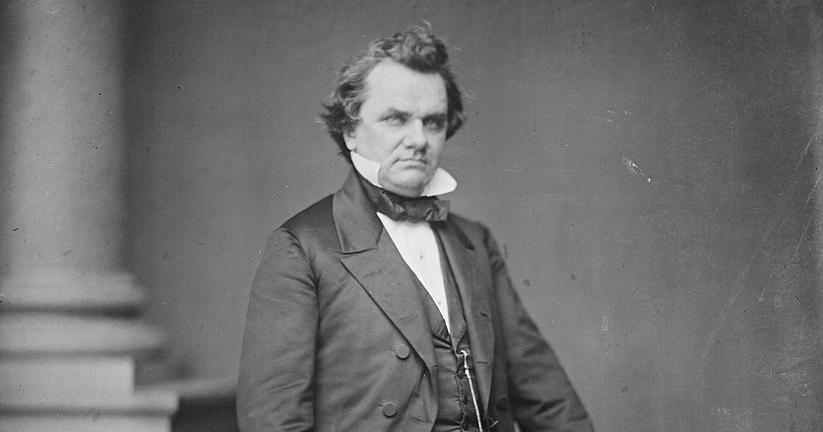
Stephen Douglas

Stephen A. Douglas, Advocate of Popular Sovereignty

Stephen Douglas (1813-1861) WHO HE WAS: Stephen Arnold Douglas was a prominent American politician from Illinois, best known for his series of debates with Abraham Lincoln during the 1858 Illinois Senate race. Douglas, often dubbed the “Little Giant” for his diminutive stature but formidable political influence, was a leading advocate for the doctrine of popular

Abraham Lincoln

Abraham Lincoln, portrait by Alexander Gardner

Abraham Lincoln (1809-1865) WHO HE WAS: Abraham Lincoln, the 16th President of the United States, is revered as one of the nation’s most iconic leaders. Born in a log cabin and largely self-taught, Lincoln rose from humble beginnings to guide the country through the Civil War, preserving the Union and emancipating slaves. His eloquence, wisdom,

James Buchanan

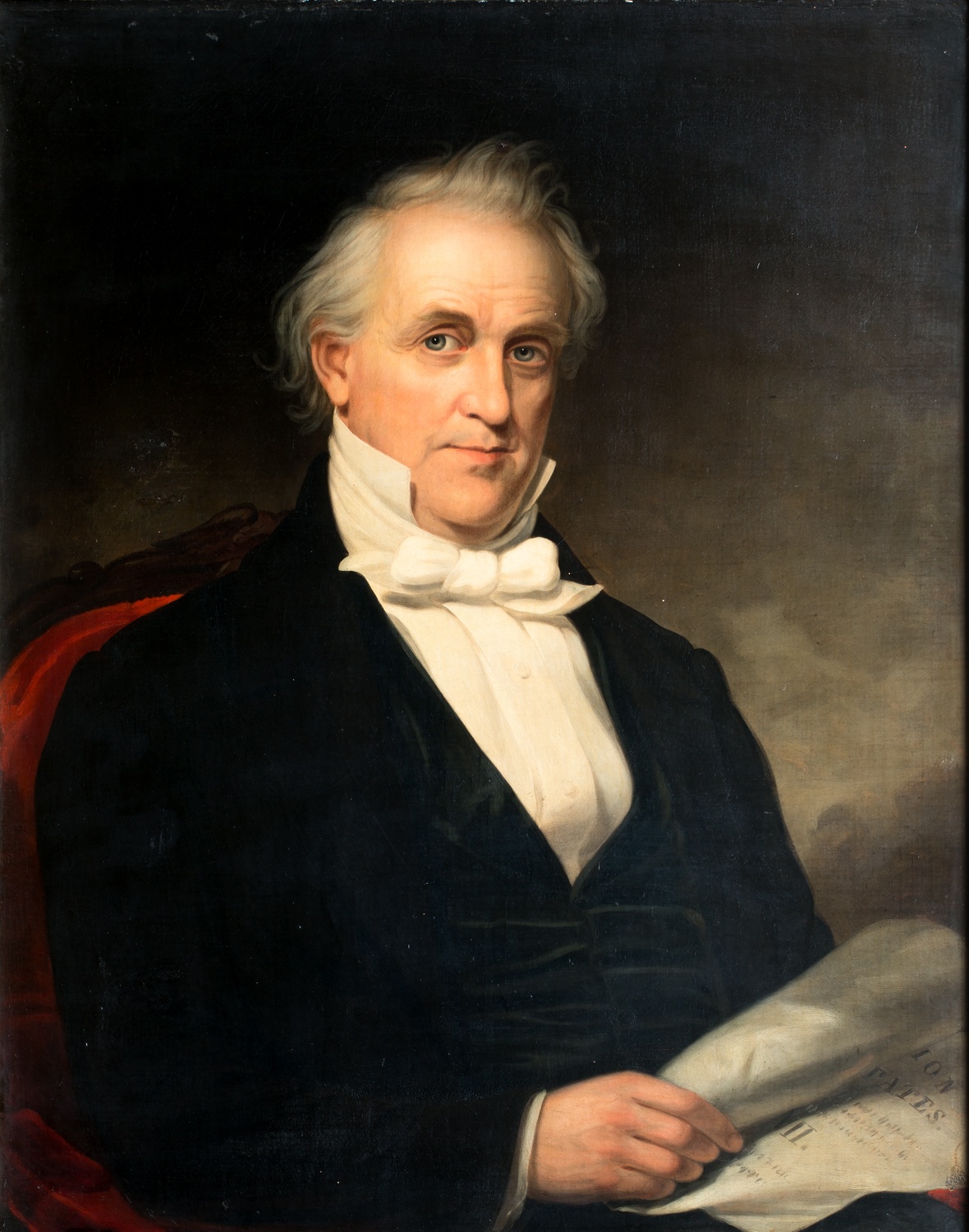
James Buchanan, the 15th President of the United States

James Buchanan (1791-1868) WHO HE WAS: James Buchanan, the 15th President of the United States, was the last to serve before the American Civil War. His presidency is often associated with inaction in the face of growing sectional tensions, which ultimately escalated into secession and conflict after he left office. A lifelong bachelor, he was

Franklin Pierce

Franklin Pierce, the 14th President of the United States

Franklin Pierce (1804-1869) WHO HE WAS: Franklin Pierce, the 14th President of the United States, served during a time of apparent tranquility that belied the simmering tensions leading to the Civil War. A northern Democrat who saw the abolitionist movement as a fundamental threat to the unity of the nation, Pierce’s presidency is marked by

John Tyler

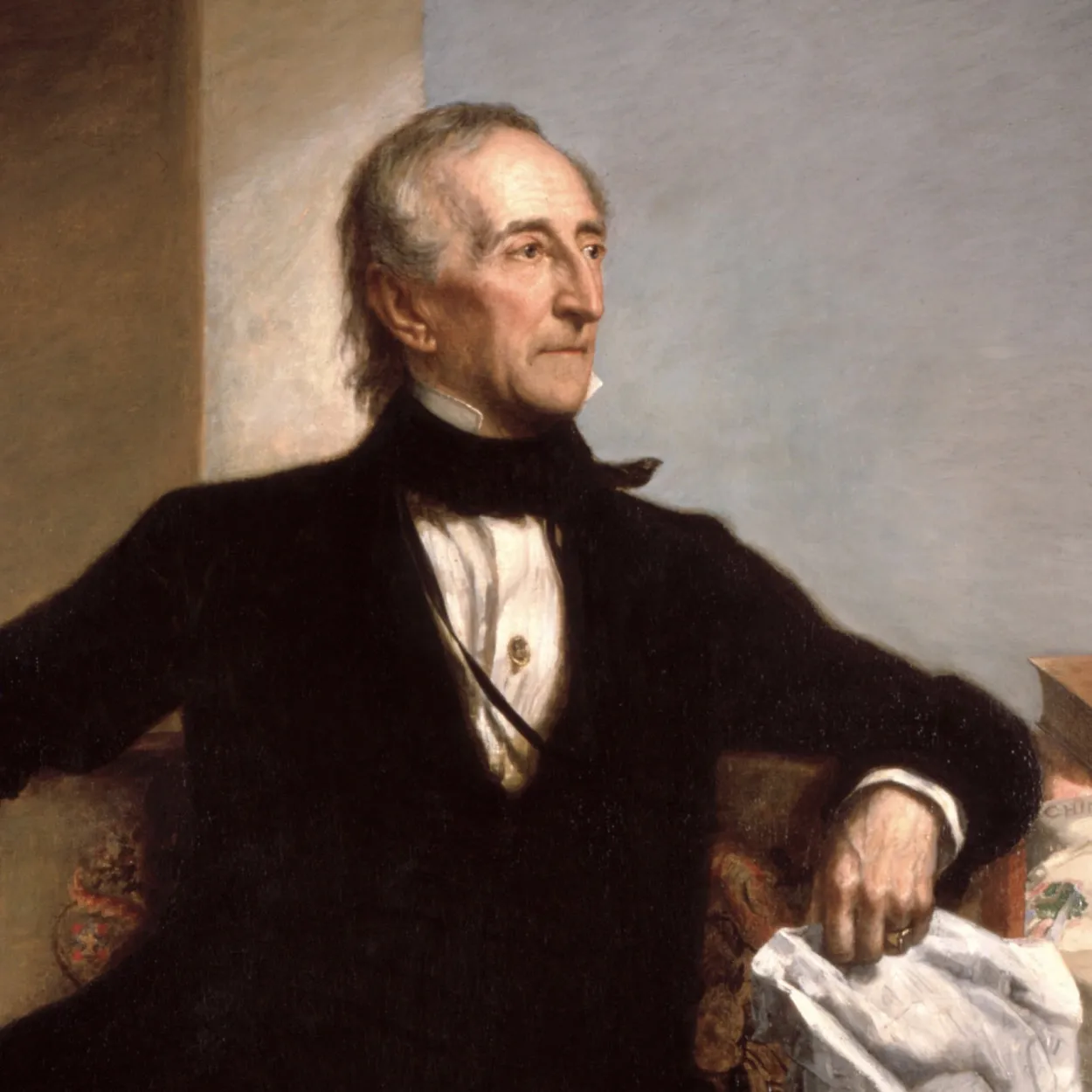
President John Tyler, portrait

John Tyler (1790-1862) WHO HE WAS: John Tyler was the tenth President of the United States, who assumed office after the untimely death of President William Henry Harrison. Tyler was the first vice president to become president due to the death of his predecessor, setting a significant constitutional precedent. Known as “His Accidency,” Tyler’s presidency

John Ross

Cherokee Leader, John Ross

John Ross (1790-1866) WHO HE WAS: John Ross, born Tsan-Usdi (Little John), was a Cherokee chief who served an unprecedented 38 years, leading his nation through some of its most challenging times, including the infamous Trail of Tears. Of mixed Scottish and Cherokee descent, he was a skilled negotiator who tirelessly fought for the rights

Sequoyah

Sequoyah, Creator of the Cherokee Written Language

Sequoyah (c. 1770-1843) WHO HE WAS: Sequoyah, also known as George Gist or George Guess, was a Native American polymath of the Cherokee nation who single-handedly created the Cherokee syllabary, making reading and writing in Cherokee possible. His achievements led to a profound transformation in the literacy and culture of the Cherokee people. WHAT HE

Martin Van Buren

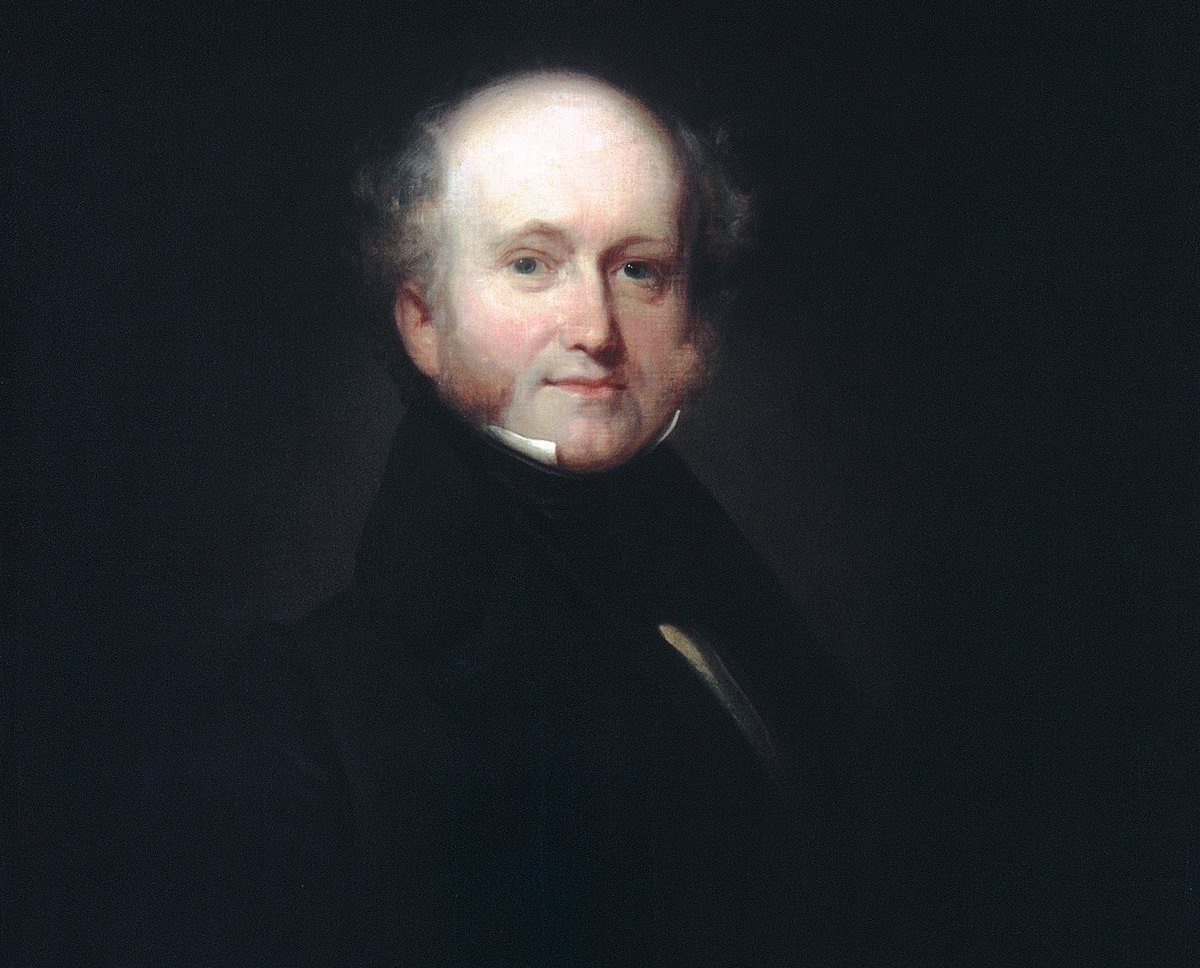
Martin Van Buren, the Eighth President of the United States

Martin Van Buren (1782-1862) WHO SHE WAS: Martin Van Buren was the eighth President of the United States, a key organizer of the Democratic Party, and a principal architect of American political organization during the early 19th century. Before his presidency, he served as the Secretary of State and the Vice President under Andrew Jackson,

Nicholas Biddle

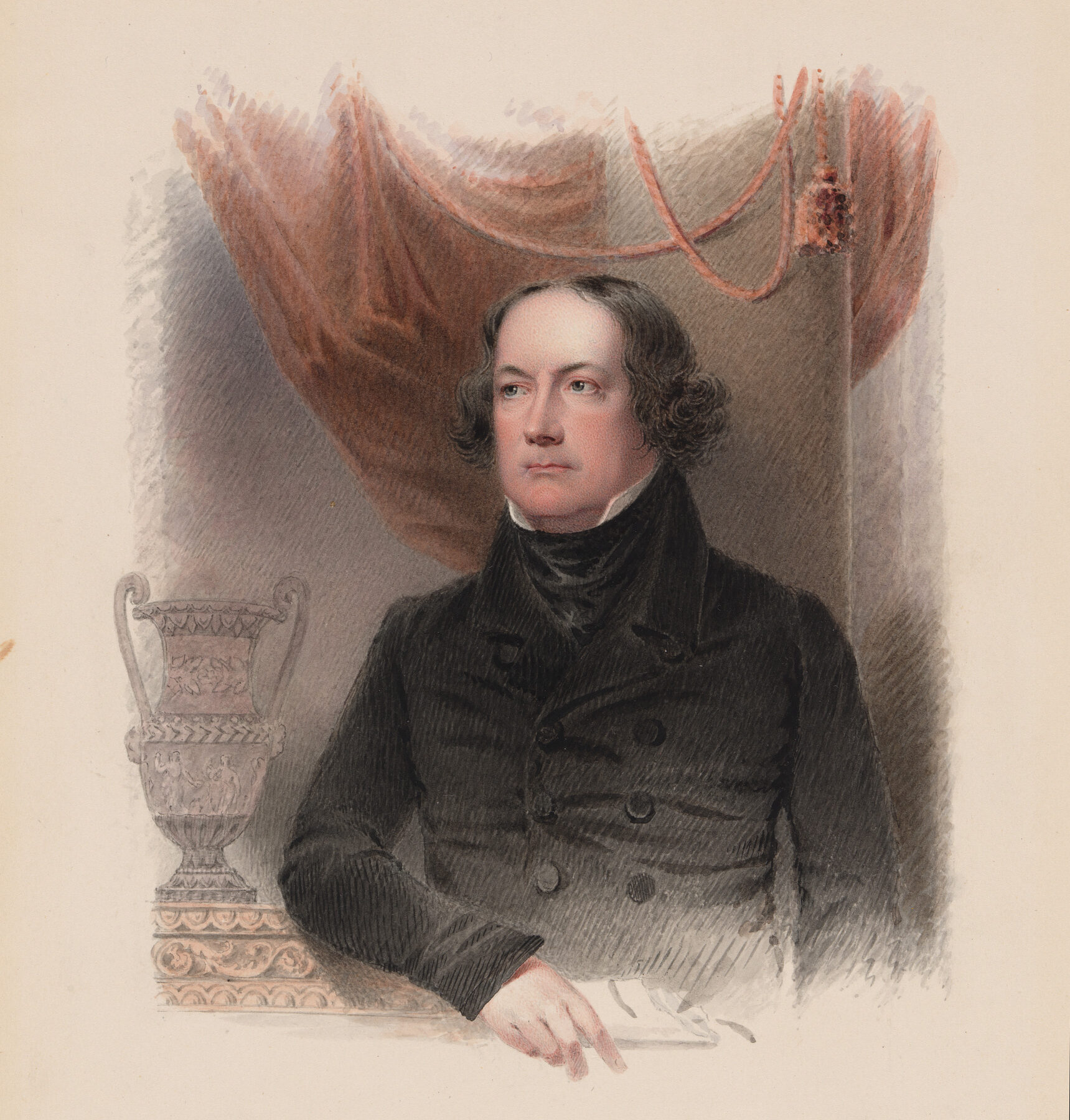
Nicholas Biddle, A Controversial Figure in America's Banking History

Nicholas Biddle (1786-1844) WHO SHE WAS: Nicholas Biddle was an American financier who served as the President of the Second Bank of the United States. He became a central figure in the Bank War, a political struggle initiated by President Andrew Jackson, who opposed the renewal of the bank’s charter. WHAT HE SAID: “This worthy