Category: Blog

Lady Bird Johnson Reflects on President Kennedy’s Assassination: An Audio Journal Entry from November 22, 1963
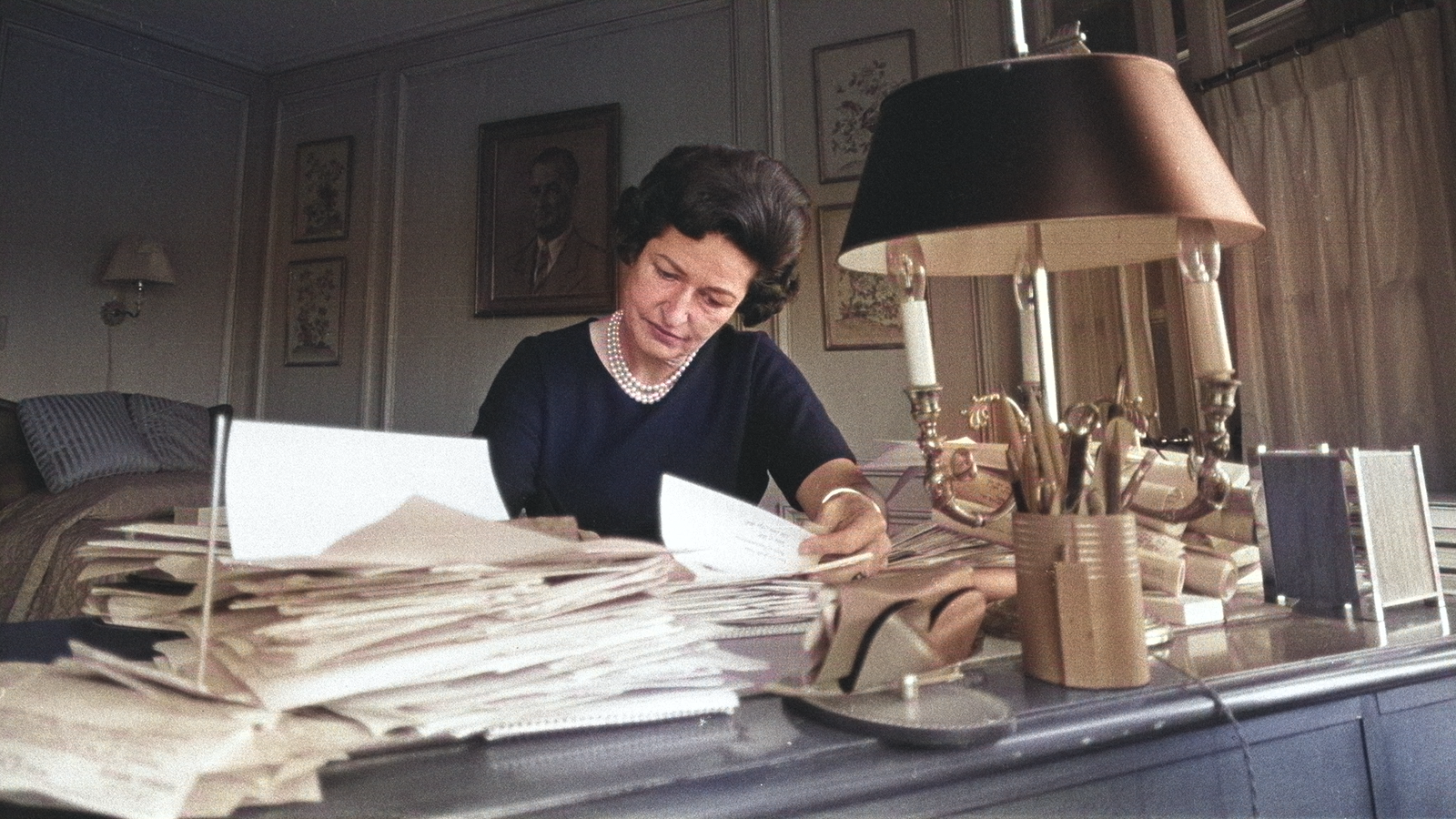
A vintage photo of Lady Bird Johnson seated at a desk, engrossed in reading documents.

In this deeply personal audio journal entry, Lady Bird Johnson recounts the harrowing day of November 22, 1963, when President J. F. Kennedy was assassinated. Providing a firsthand account, she captures the shock, sorrow, and chaos that enveloped the nation, juxtaposed against the initially bright and cheerful atmosphere of that fateful day in Dallas. Lady

Communication from John Glenn’s Friendship 7 Space Capsule, February 20, 1962

John Glenn in astronaut suit beside the Friendship 7 Space Capsule

In 1957, the Soviet Union’s launch of Sputnik I initiated the space race between the USSR and the US. Amid this competitive atmosphere, on February 20, 1962, John Glenn became the first American to orbit Earth aboard the Friendship 7 Space Capsule. Despite facing challenges such as an autopilot malfunction and concerns about the heat

John F. Kennedy: Inaugural Address, 1961

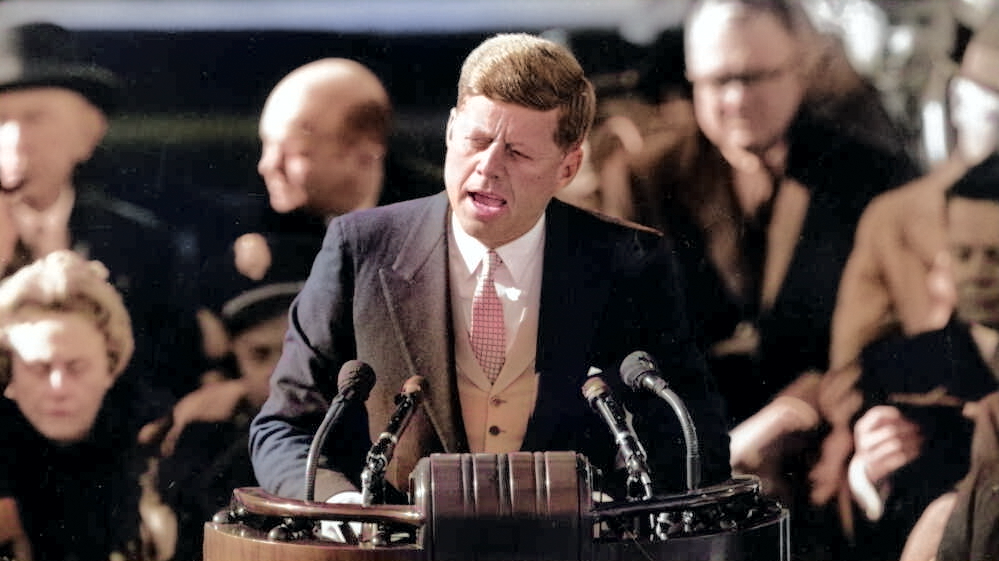
John F. Kennedy standing at a podium with microphones, delivering his inaugural address in 1961. He's dressed in a suit, looking determined. Surrounding him are various onlookers, some blurred in the background.

John F. Kennedy’s inaugural address in 1961 underscored the changing global landscape, emphasizing that though the world was different from when the country’s forefathers established the nation, the foundational beliefs of freedom and human rights remained paramount. Kennedy highlighted the challenges and responsibilities of a new generation of Americans, calling them to take up the

Franklin Delano Roosevelt: Four Freedoms, Annual Message to Congress, 1941

Norman Rockwell's detailed illustration from the "Four Freedoms" series depicting diverse individuals in deep prayer and reflection.

In his 1941 annual message to Congress, President Franklin D. Roosevelt articulates the unparalleled external challenges that America faced at the time. Drawing parallels with past domestic crises and wars, FDR emphasizes the nation’s unwavering resolve to maintain its rights and the principles of peaceful commerce. He reaffirms America’s historic stance against enforced isolation and

Code of Hammurabi: Ancient Babylonian Laws

Carved stone representing the ancient laws enacted by King Hammurabi.

The Code of Hammurabi stands as a testament to ancient legal systems and the evolution of societal norms. Enacted by King Hammurabi of Babylon, this ancient Babylonian law code is believed to be the oldest set of laws known to exist. Originally carved into an eight-foot-tall stone monument in Mesopotamia, now modern-day Iran, these laws

Chief Joseph: “I Will Fight No More Forever” 1877

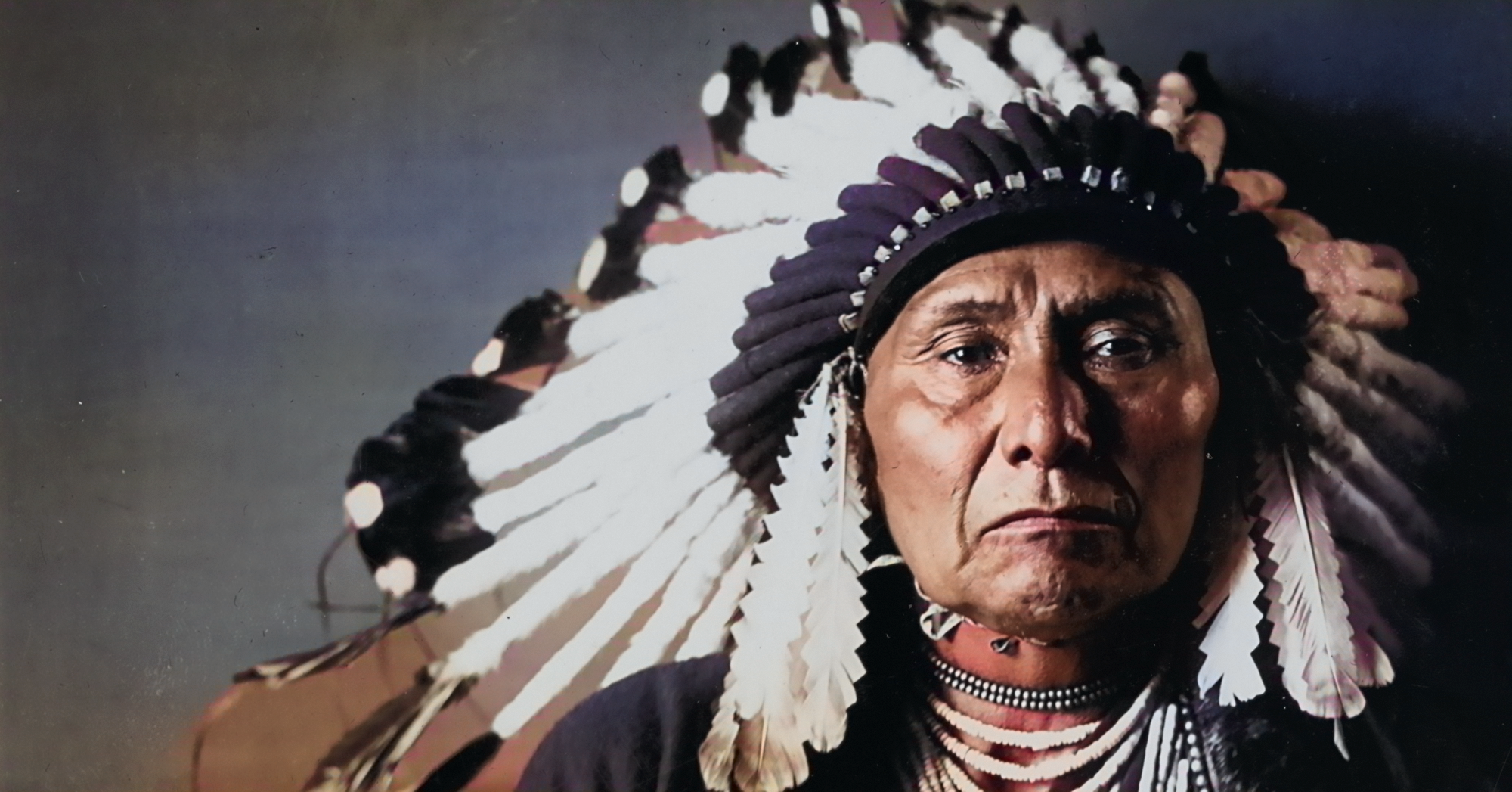
Colorized photograph of Chief Joseph in traditional headdress

In a profound moment of surrender to the U.S. Army, Chief Joseph of the Nez Perce Indians delivered a moving speech in 1877. The tribe had tried to cross into Canada to escape relocation to a reservation. They journeyed over 1000 miles, battling the army throughout their odyssey. Alas, a mere 40 miles from Canada,

Bill of Rights: Amendments to the Constitution of the United States, 1789 

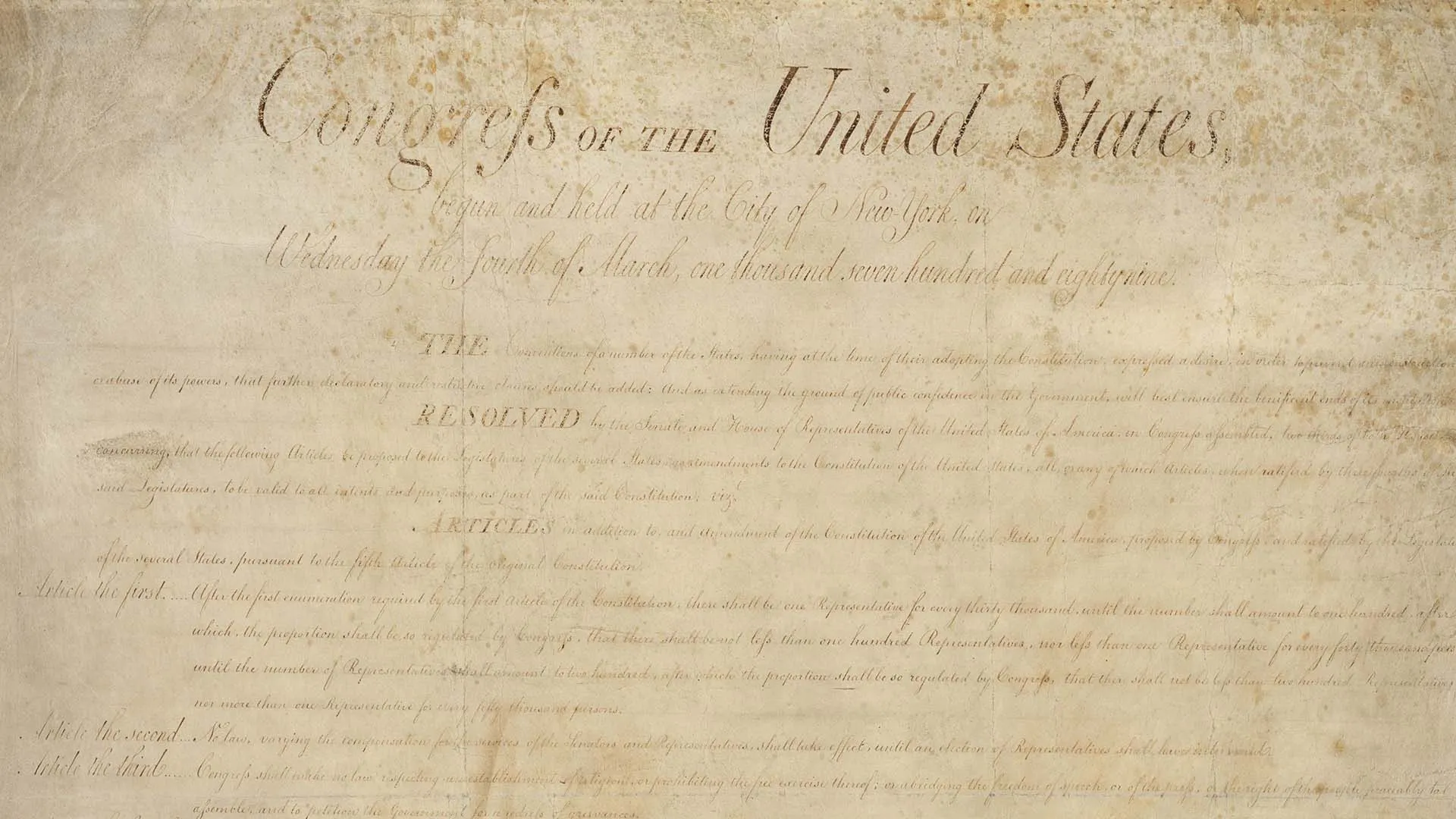
Historical parchment displaying the preamble and initial articles of the Bill of Rights, dated in New York, March 1789.

The Bill of Rights, ratified on December 15, 1791, is a foundational document that outlines the primary rights and freedoms guaranteed to American citizens. These ten amendments were added to the Constitution to ensure the protection of individual liberties and place restrictions on governmental power. The Bill of Rights Philadelphia, Pennsylvania Adopted 1789. Ratified 1791.