Tag: America in the 20th Century

Civil Rights Act (1964)

President Johnson signs the Civil Rights Act of 1964

Civil Rights Act of 1964 signed Washington DC 02 July 1964 The Civil Rights Act of 1964 was the most sweeping civil rights legislation enacted since Reconstruction. Championed by President Johnson, and passed largely along sectional lines (only eight southern representatives and senators combined voted in favor of the original versions of the bill) the
Emancipation Proclamation

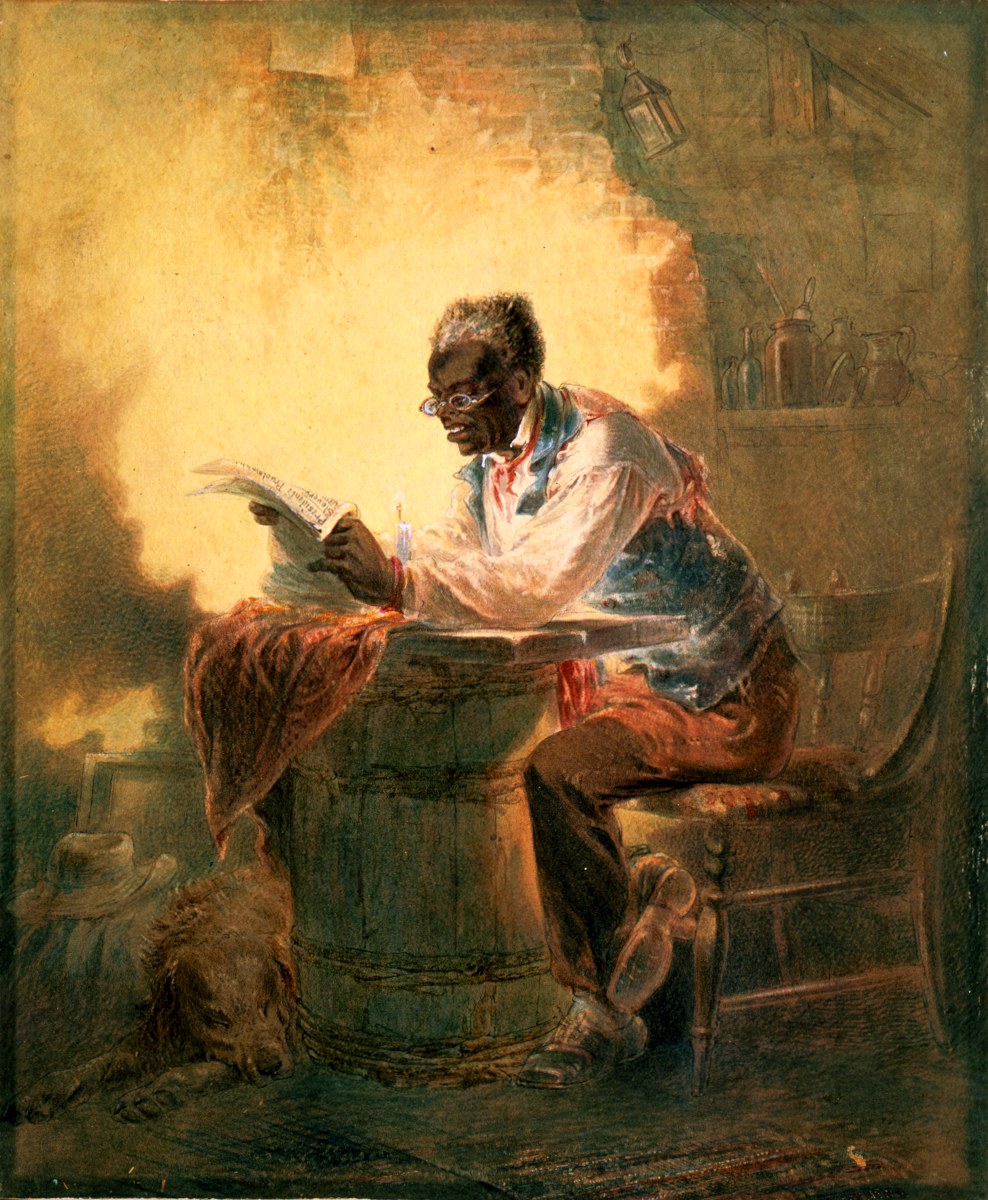
Black man reading newspaper by candlelight Man reading a newspaper with headline, "Presidential Proclamation, Slavery," which refers to the Jan. 1863 Emancipation Proclamation. drawing : watercolor.

Emancipation Proclamation President Abraham Lincoln Washington D.C. 01 January 1863 Initially, the Civil War between North and South was fought by the North to prevent the secession of the Southern states and preserve the Union. Even though sectional conflicts over slavery had been a major cause of the war, ending slavery was not a goal

Zimmermann Telegram

Zimmermann headline

In 1916 Woodrow Wilson won a second term as president, in part because he promised to keep America out of the growing war in Europe. Within months, Wilson—with the support of an overwhelming majority of Americans—would renege on that pledge.  In January 1917, British code-breakers deciphered a secret telegram sent to Mexico by German Foreign Minister, Arthur

Ronald Reagan: The Evil Empire Speech

Ronald Reagan Evil Empire Speech

Speaking at the National Association of Evangelicals convention in Orlando, Florida, President Reagan lowered the temperature in the Cold War several degrees when he branded the Soviet Union an “evil empire.” The term was coined by Reagan’s chief speechwriter Anthony Dolan and represented the rhetorical side of the escalation in the geopolitical conflict. President Ronald Reagan: Evil

Franklin Roosevelt: D-Day Prayer

FDR - D-Day Appointment

On the night of June 6, 1944, President Roosevelt delivered a national radio address to the nation on the Allied invasion of Western Europe. The date and timing of the amphibious landing—the opening of the  long-awaited second front—had been top secret. Now, he acknowledged “success thus far” and urged the people to “devote themselves in a continuance of

Franklin Roosevelt: Annual Message to Congress on the State of the Union, 1941

Franklin Roosevelt, Four Freedoms

In January 1941, as the German Army advanced through Europe, many Americans continued to believed the United States should stay out of the war. As he stepped to the lectern in the U.S. Capitol building, President Roosevelt understood Britain’s need for American support. What followed was an eloquent and urgent appeal for continued aid to Great

Frederick Remington

Frederick Remington, Self Portrait

Frederick Remington (1861-1909) WHO S/HE WAS: Frederic Remington was an American painter, illustrator, sculptor, and writer who specialized in depictions of the Old American West, specifically concentrating on the last quarter of the 19th century American West and images of cowboys, American Indians, and the U.S. Cavalry. WHAT S/HE SAID: Everything is quiet. There is

King David Kalakaua

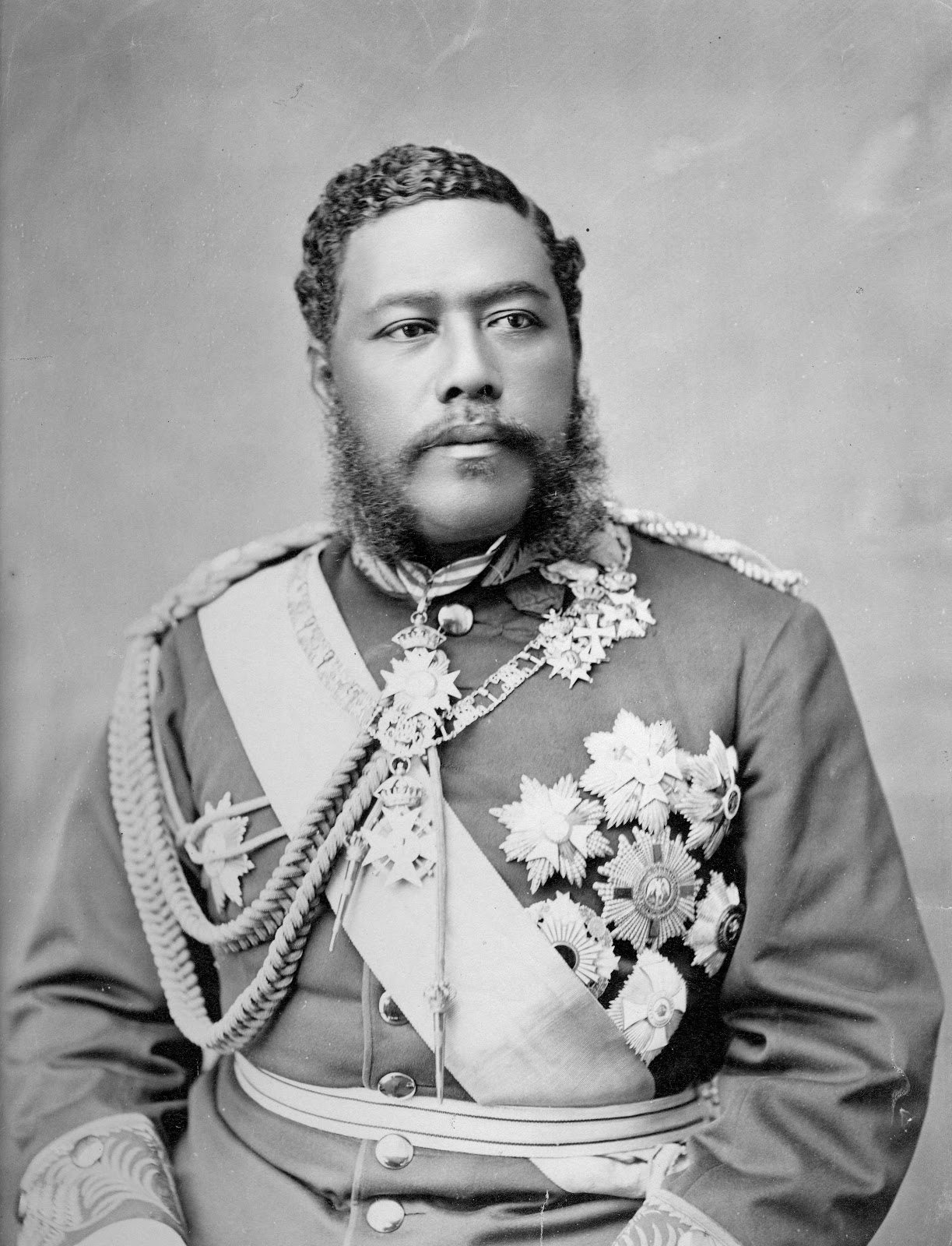
King David Kalakaua

King David Kalakaua (1836-1891) WHO S/HE WAS: King Kalakaua was the last reigning king of the Kingdom of Hawai’i. He served in office from February 12, 1874 until his death in San Francisco, California, on January 20, 1891. WHAT S/HE SAID: In 1899, in the wake of the Spanish-American War, Addams spoke-out against American imperialism:

Millard Fillmore

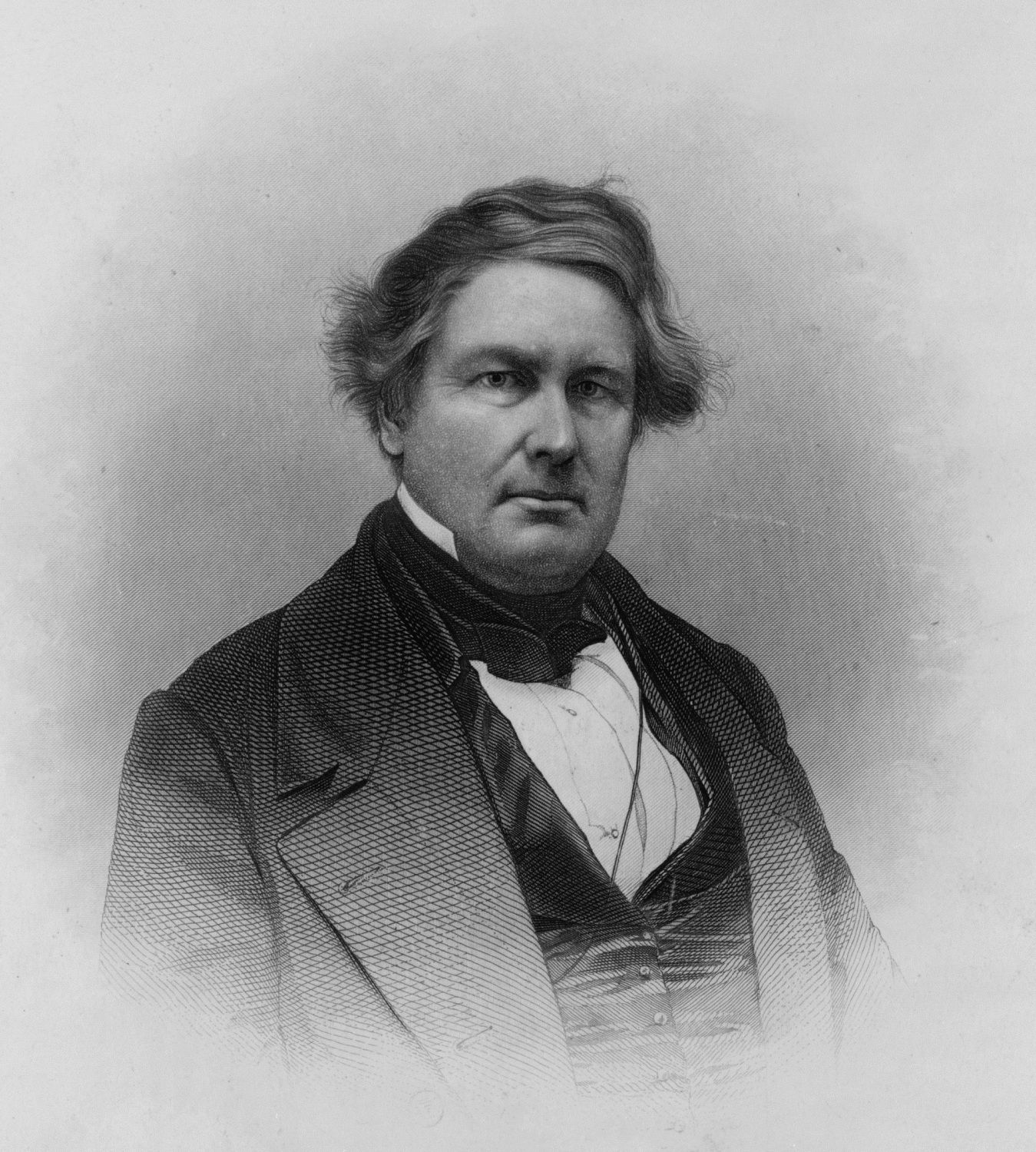
Millard Fillmore

Millard Fillmore (1800-1874) WHO HE WAS: Millard Fillmore served as the 13th President of the United States. His presidency was marked by a mix of accomplishments and controversies. Fillmore signed the Compromise of 1850 into law, attempting to address the contentious issue of slavery in new territories. His leadership during this period reflected the challenges

Sanford Dole

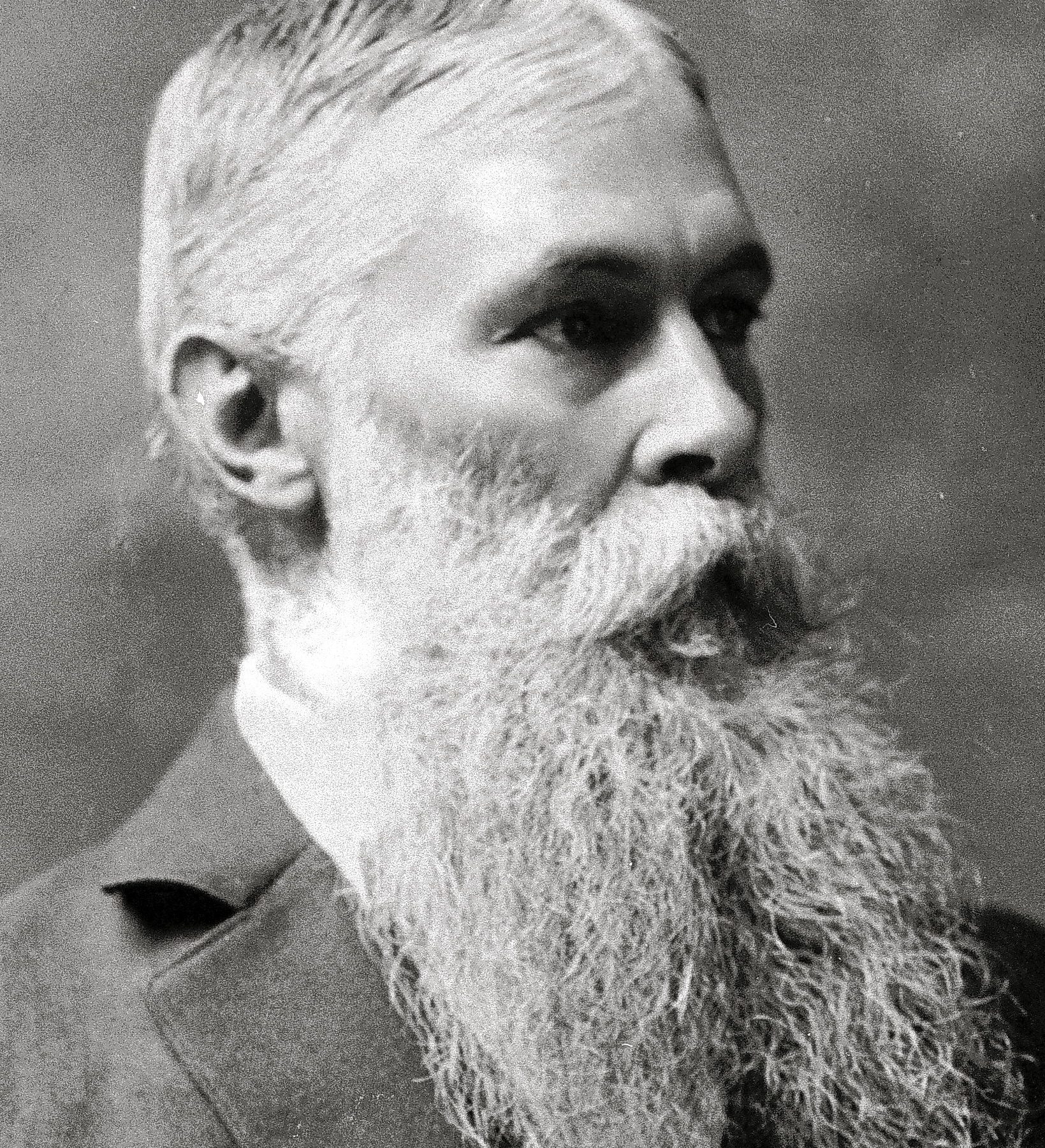
Sanford Dole

Sanford Dole (1844-1826) WHO S/HE WAS: Sanford B. Dole was a politician and jurist of Hawaii as a kingdom, protectorate, republic and territory. Conspired with Ambassador John L. Stevens to overthrow the Hawaiian monarchy of Queen Liliuokalani. WHAT S/HE SAID: I cannot help feeling that the chief end of this meeting is plantation profits, and