Tag: America in the 20th Century

Bert the Turtle

Bert the Turtle from the Civil Defense film "Duck and Cover"

Bert the Turtle WHO HE WAS: Bert the Turtle is an iconic cartoon character from the American Civil Defense film “Duck and Cover,” produced during the Cold War era. He was created to educate children and the general public about safety measures to take during a nuclear attack. WHAT HE SAID: While Bert the Turtle

Ida Tarbell

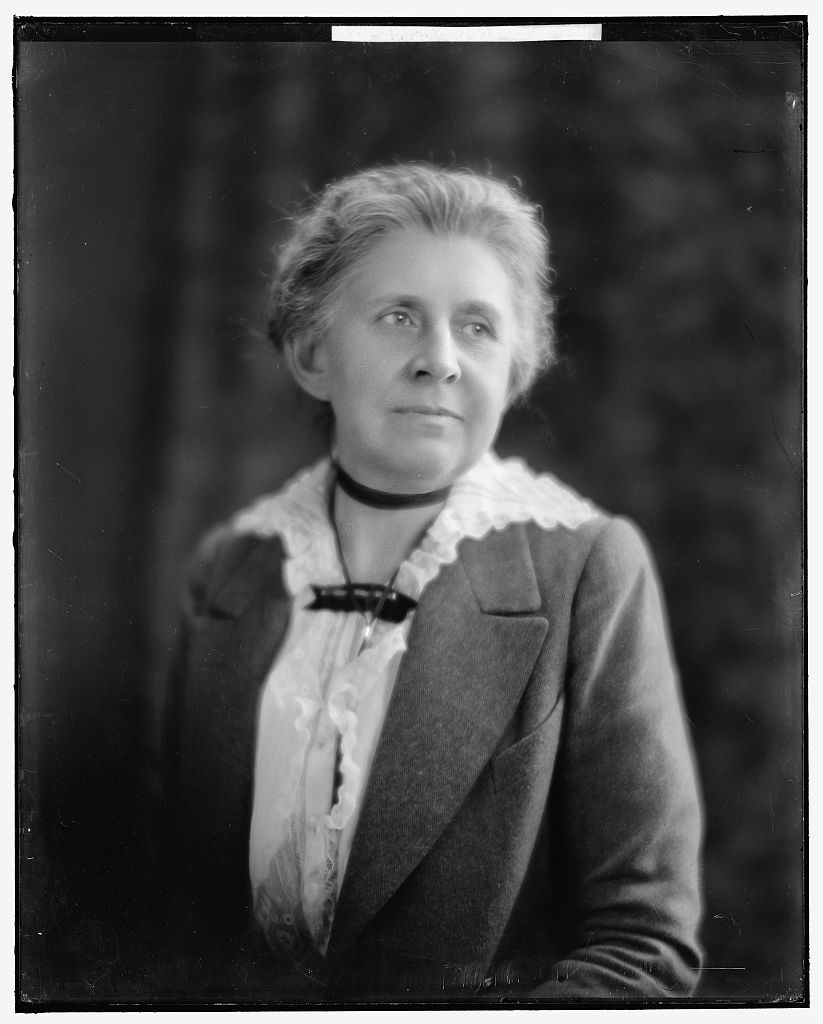
Ida Tarbell, portrait c. 1900

Ida Tarbell (1857-1944) WHO SHE WAS: Ida Tarbell was a pioneering investigative journalist, known for her groundbreaking exposés in McClure’s Magazine during the Progressive Era. Her most notable work, “The History of the Standard Oil Company,” unveiled the unscrupulous practices of the oil giant and became a cornerstone of muckraking journalism. WHAT S/HE SAID: Reflecting

Huey Long

Huey Long standing in a doorway, smiling

HUEY LONG (1893-1935) WHO S/HE WAS: Jane Addams devoted her life to social and political reform and to the betterment of the economic condition of the masses. She worked for women’s rights, to help the poor and to stop the use of children as industrial laborers. She founded Hull House in Chicago, a center which

Charles Guiteau

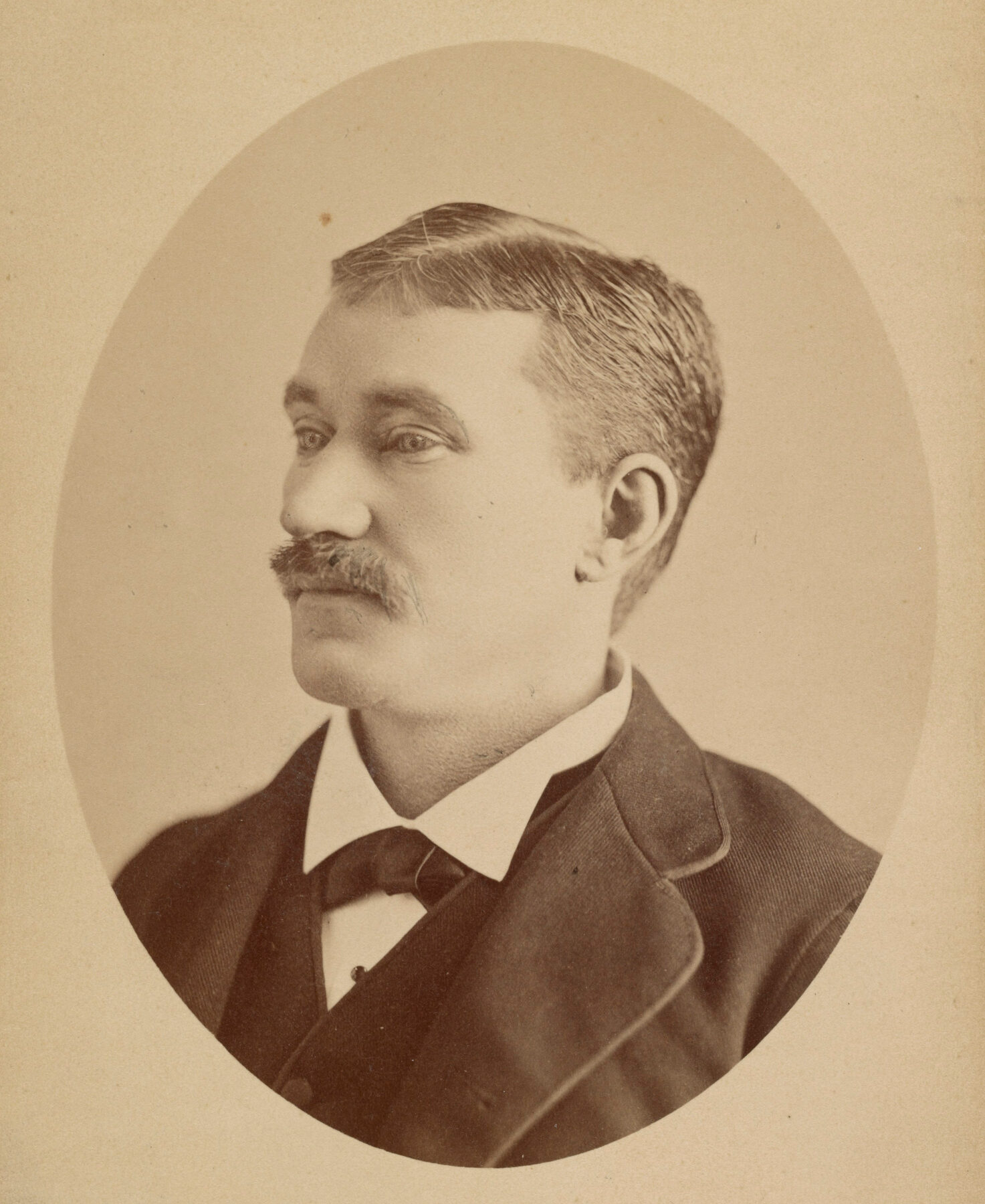
Charles Guiteau, portrait, facing left.

Charles Guiteau (1841-1882) WHO HE WAS: Charles Guiteau was a disturbed individual who infamously assassinated President James A. Garfield. His actions shocked the nation and led to discussions about mental health, political violence, and the security of public figures. WHAT HE SAID: Reflecting on his motivations, Guiteau proclaimed: “I am a Stalwart and Arthur will

President James Garfield

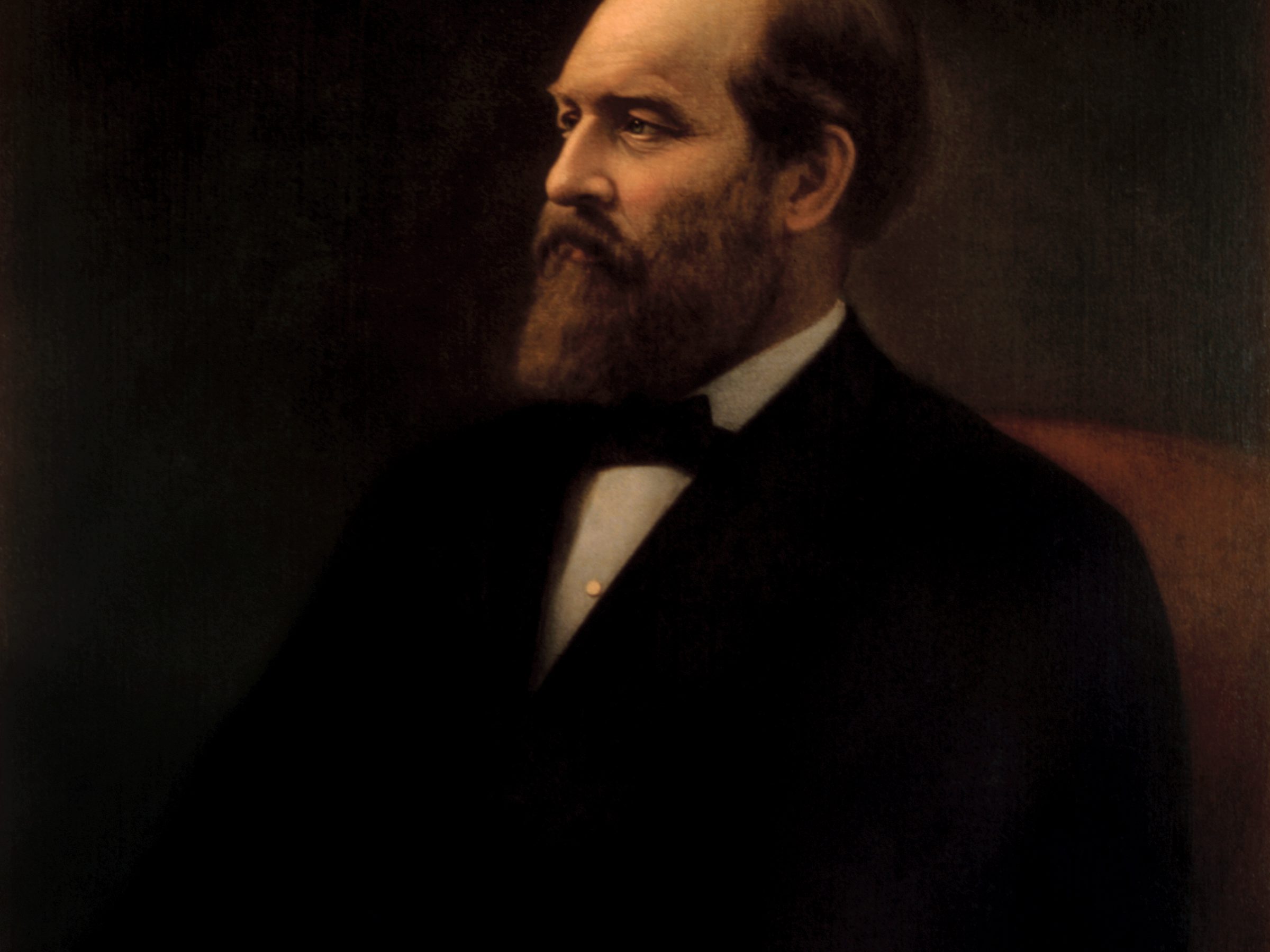
President James A. Garfield

James Garfield (1831-1881) WHO HE WAS: James Garfield served as the 20th President of the United States, known for his brief but impactful presidency. A scholar and military leader, he championed civil rights, education, and economic reform during a pivotal time in American history. WHAT HE SAID: Reflecting on the importance of education, Garfield emphasized:

The Korean War Redux: Hot Front in a Cold War

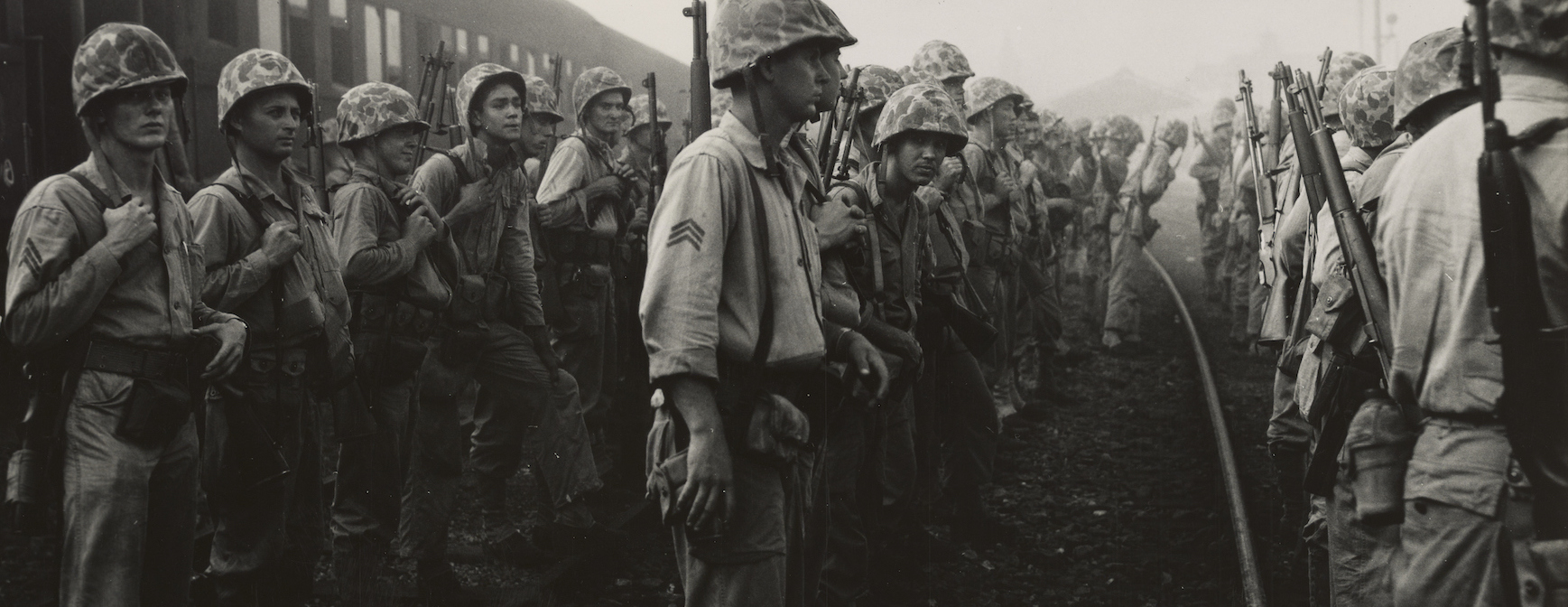
Korean War: 3rd platoon of D Co, 2nd Bn, 5th marines muster

June 1950: The Korean War Communist forces of North Korea ignited the Korean War in June 1950 by invading South Korea across the 38th parallel. The attack escalated the Cold War. It challenged the United States and its Western Allies. And it tested the resolve of the newly formed United Nations. The subsequent war was a

Looking Back at the Fourteen Points

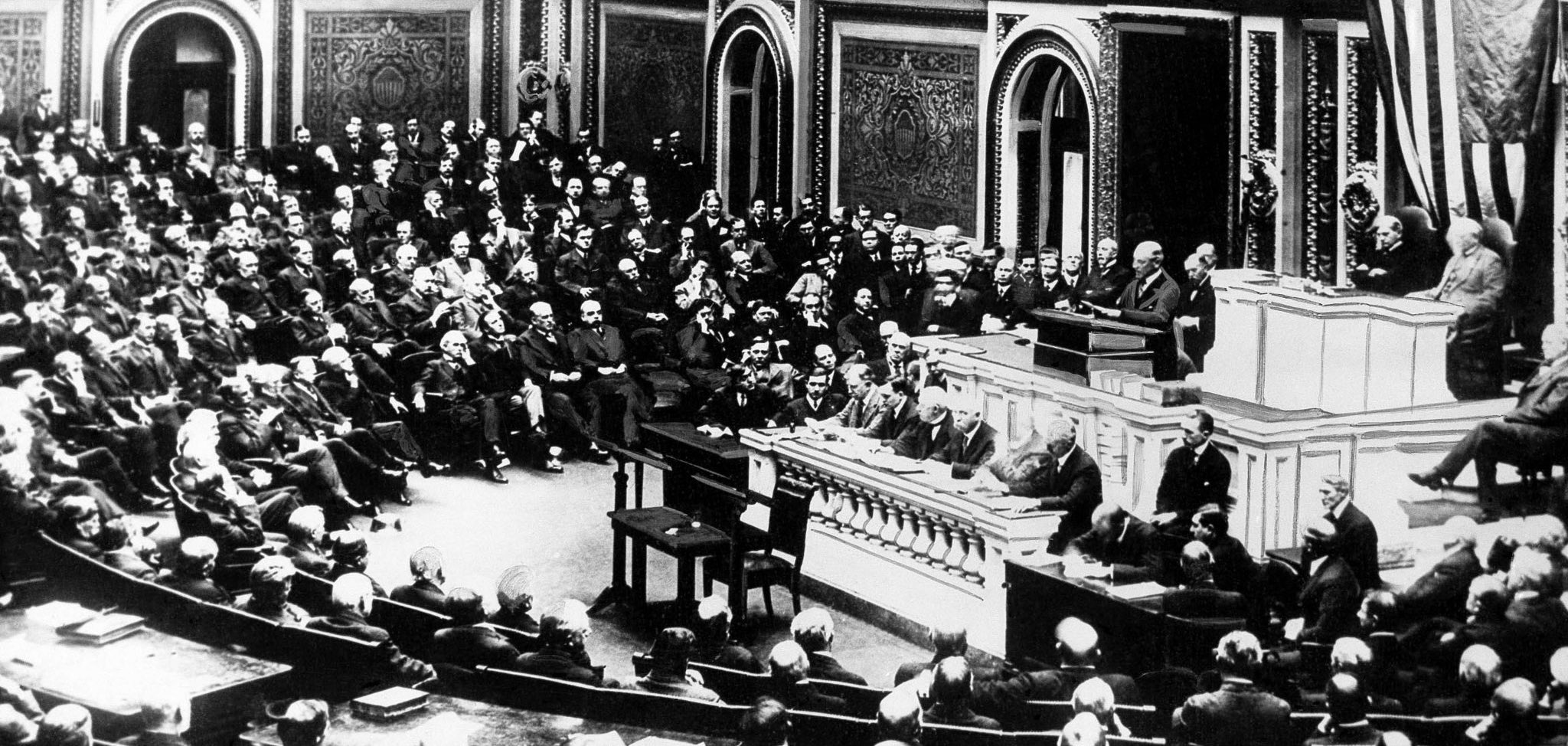
Woodrow Wilson Fourteen Points Address to Congress

One century ago, on January 8, 1918, President Woodrow Wilson stood before a joint session of Congress to outline his “Fourteen Points” for a postwar peace. Nine months before, the United States had entered World War I, despite the president’s great efforts to find a peaceful resolution to the conflict. In his address, Wilson presented

Marshall Plan

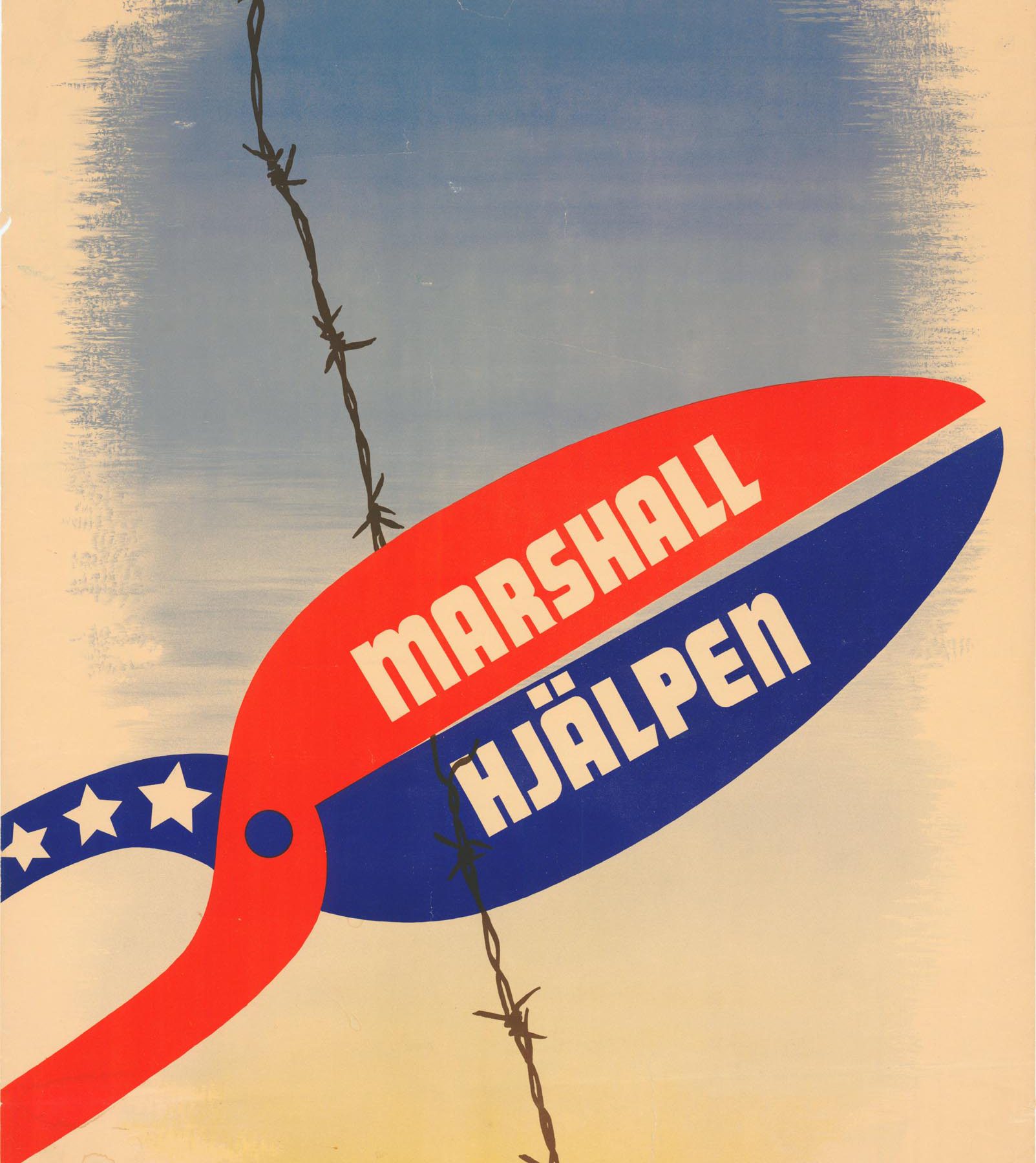
A stylized drawing of large scissors cutting through barbed wire. The scissors, colored in red and blue, bear the text "Marshall Hjälpen" (Marshall Plan).

Marshall Plan Speech In the immediate post-World War II period, Europe remained ravaged by war and thus susceptible to exploitation by both internal and external communist threats. In a June 5, 1947, speech to the graduating class at Harvard University, Secretary of State George C. Marshall issued a call for a comprehensive program to rebuild

Brown v. Board of Education

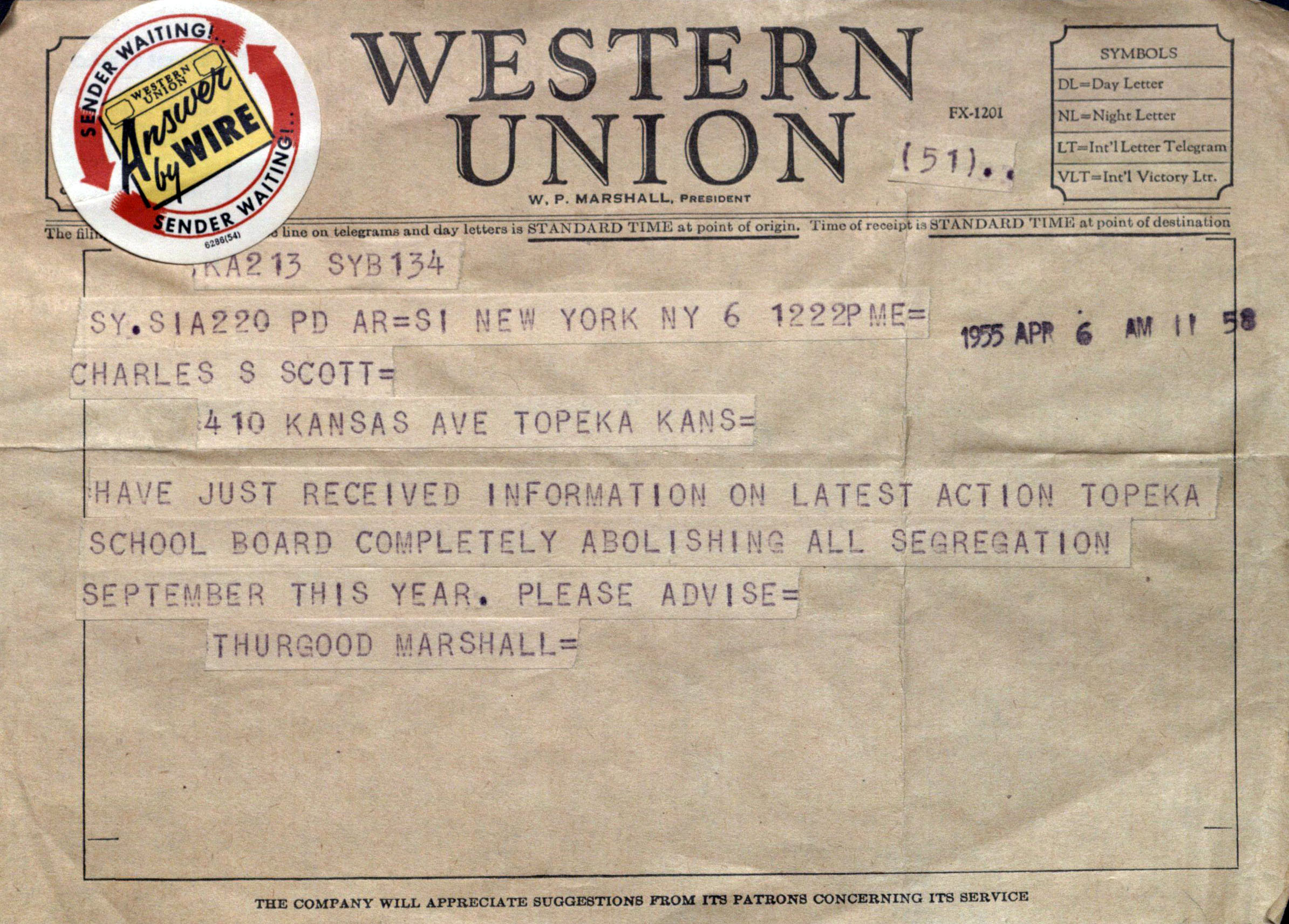
Brown v. Board of Education telegram

Brown v. Board of Education of Topeka Supreme Court of the United States Washington DC 17 May 1954 The Louisiana Purchase has been described as the greatest real estate deal in history. In 1803 the United States paid France $15 million for the Louisiana Territory—some 828,000 square miles of land west of the Mississippi River.